
From October 5 to 9, Thales Alenia Space will take part in the 77th International Astronautical Congress (IAC 2026), held in Antalya, Turkey, under the theme “the world needs more space”. The event aims to inspire and raise awareness among the general public and younger generations about the importance of space as a shared resource that must be preserved through international cooperation.
On this occasion, Thales Alenia Space will showcase its wide range of technological solutions supporting space exploration, Earth observation, telecommunications and satellite navigation.
Space to Explore
“Fly me to the Moon”
The successful launch of Artemis II from Cape Canaveral in April 2026 marked the start of a thrilling new chapter: the first crewed mission to lunar orbit in over half a century. This remarkable mission renewed our collective ambition to explore the Moon and space beyond Earth, inspiring new generations and broadening the horizons of human endeavor. We were proud to contribute to this mission by supplying the primary structure of Orion as well as additional vital subsystems for ESA’s European Service Module, the heart of Orion’s life support, power and propulsion systems beyond Earth orbit.
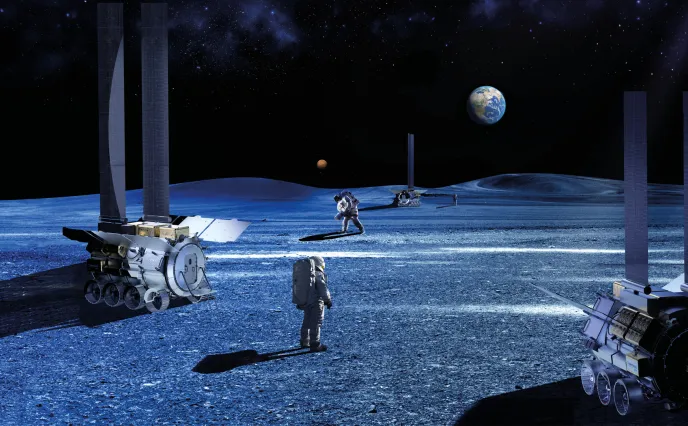
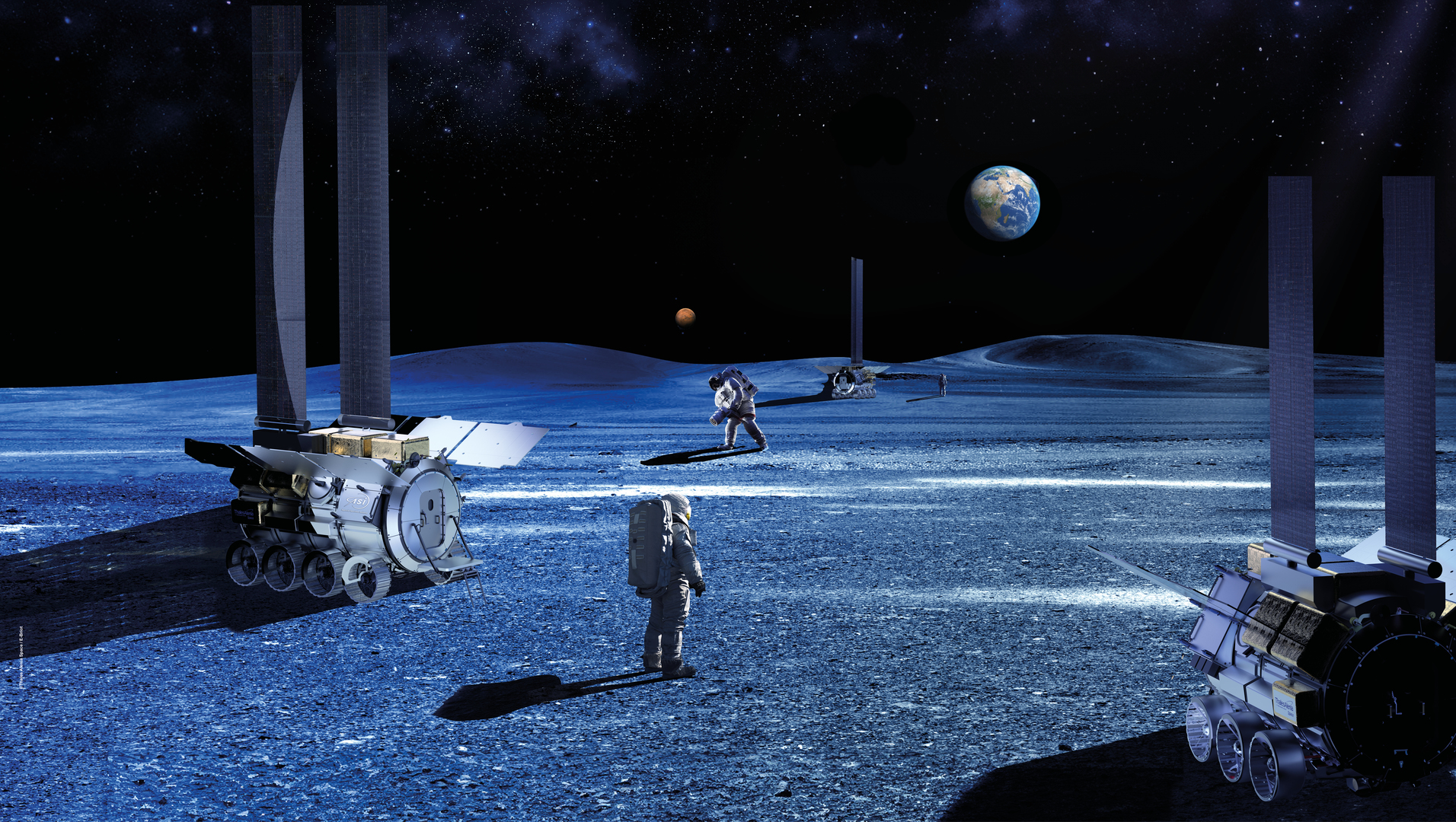
As part of NASA’s Artemis program, which is set to eventually bring humanity back to the Moon, an entire ecosystem will be built on and around it. This includes projects related to a “Moon Village”, a “lunar economy”, and telecommunications and navigation systems around the Moon. Flying astronauts to the Moon is one thing; delivering equipment and science gear there is another. Thales Alenia Space won a major contract with ESA to develop Argonaut, a lunar descent module designed to deliver cargo to the lunar surface.
This versatile, autonomous vehicle is designed to carry cargo, vehicles and other payloads, as well as science missions in their own right. Argonaut’s first flight will deliver payloads dedicated to navigation and telecommunications, an energy production and storage system, as well as equipment to enable European companies to explore the Moon’s South Pole. Our company will also supply the Multi-Purpose Habitation module to the Italian Space Agency (ASI). This will be the very first permanent habitat enabling astronauts to live and work safely in a comfortable environment on the Moon’s surface.
Further down the line, the Moon could serve as a staging post for preparing and launching crewed missions into deep space, with Mars in our sights.
Is there “Life on Mars”?
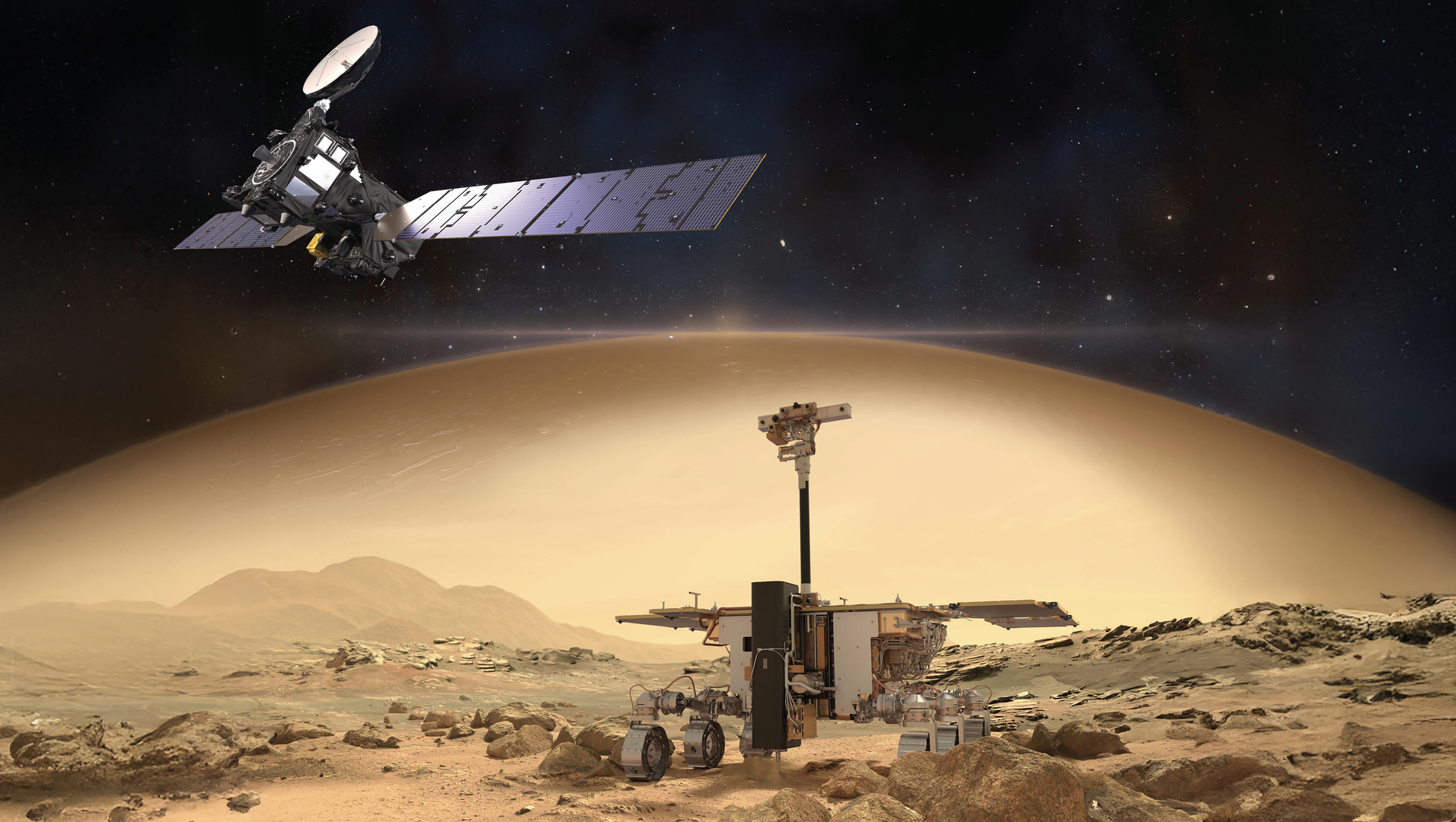
The upcoming ExoMars mission, set for launch from the Kennedy Space Center (KSC) in Florida between October and December 2028, will explore the Martian surface in search of signs of past life. Led by ESA, the program, carried out under Thales Alenia Space’s industrial prime contractorship, will deliver a European rover capable of driving autonomously on the Martian surface. Scheduled to reach Mars in 2030 after a long interplanetary voyage, this rover will be fitted with a drill developed by Leonardo to collect core samples up to two meters deep. The chemical, physical and biological properties of the collected samples will be analyzed using the onboard mini-laboratory, named the Analytical Laboratory Drawer (ALD), aboard the rover. One of the mission’s objectives will be to detect the presence of any subsurface bacteria, living or fossilized, which would be evidence of existing or past life on the Red Planet.
From the Sun to Saturn, and from Mercury to Venus, Jupiter and Mars, our solutions have been on every space odyssey seeking to unravel the Universe’s best-kept secrets.
Since our company was created, we have also been a major player aboard the International Space Station, supplying half of its pressurized volume.
To learn more about our exploration missions: Explore | Thales Alenia Space
Space to Observe & protect
Whether for oceanography, weather forecasting or environmental monitoring, Earth observation satellites have become, over the past few decades, absolutely vital watchmen for all of humanity. The data they provide to the scientific community is helping us better understand the climate mechanisms that govern our planet.
4 launches in 2026!
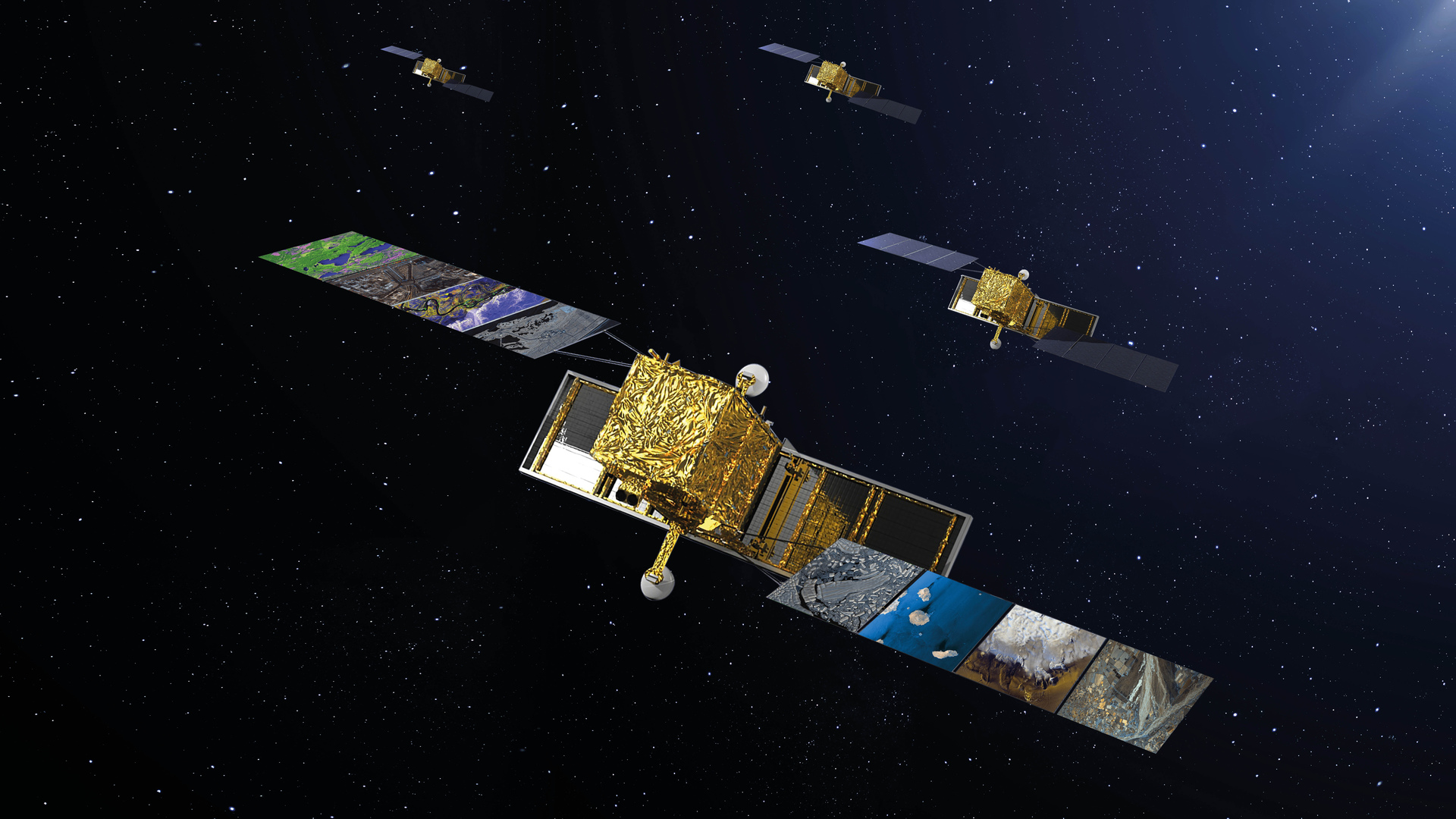
With the launch of four Earth observation satellites, 2026 is a particularly rich year for our teams, who are proud to contribute to preserving our beautiful planet!
Built for the Italian Space Agency (ASI) and the Italian Ministry of Defense, the third satellite in the COSMO-SkyMed Second Generation (CSG) constellation, manufactured by Thales Alenia Space, was successfully launched earlier this year.
This dual-use system has delivered essential data to monitor the environment and territory, and to support security and emergency-management missions.
Sentinel satellites, watching over the Earth
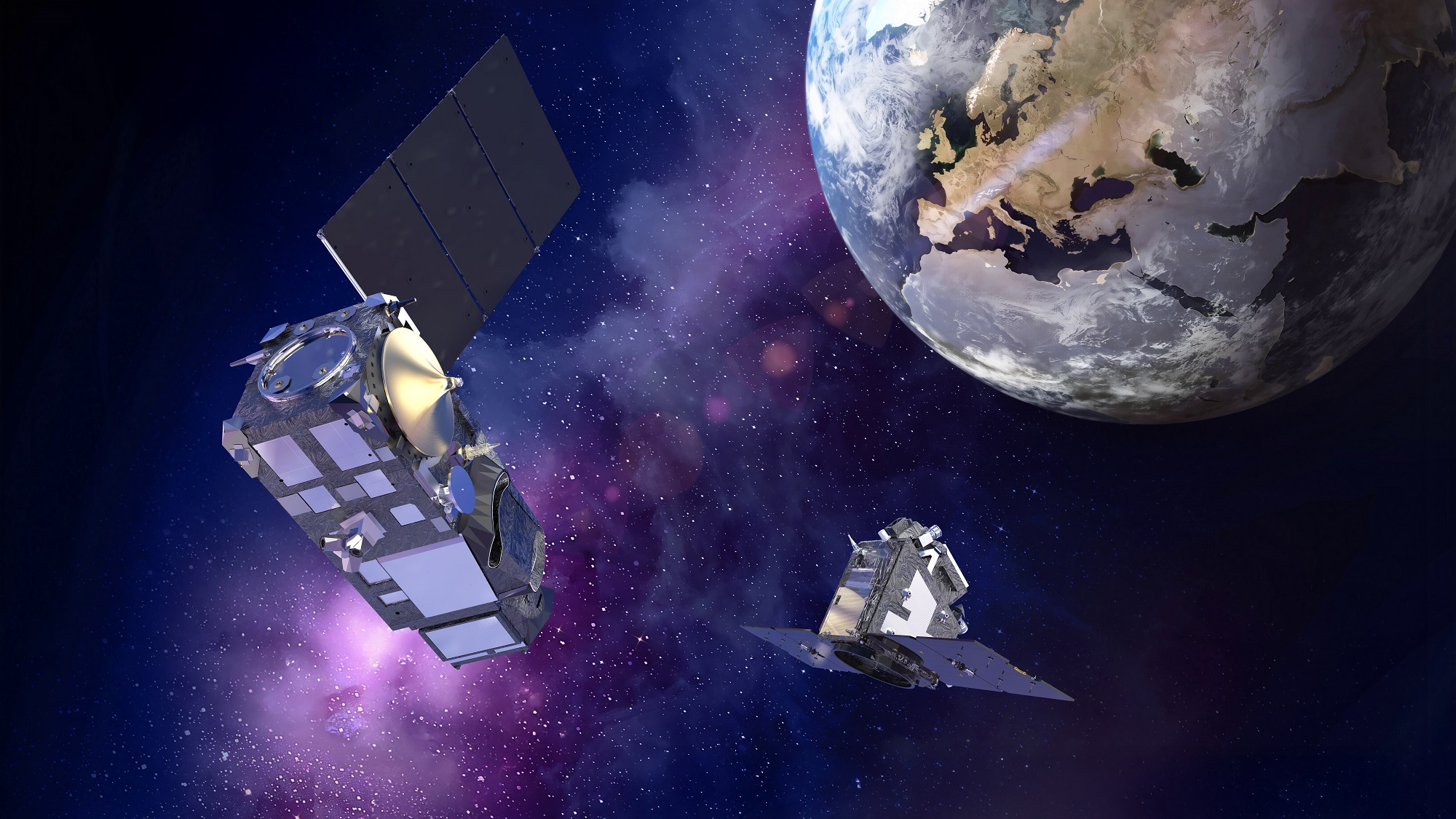
Thales Alenia Space has proven experience in Earth observation satellites dedicated to environmental monitoring, the flagship program undoubtedly being Copernicus, with its 12 families of Sentinel satellites tasked with monitoring land surfaces, terrain, seas, lakes and oceans, polar regions, and more. Copernicus also includes climatology missions to measure human-induced CO2 emissions and to enable new applications supporting biodiversity and sustainable agriculture. Of critical importance for Europe, a structuring program like Copernicus helps us better anticipate the consequences of global warming. By contributing to 11 of its 12 missions, Thales Alenia Space is playing its part in safeguarding and preserving our planet.
The Copernicus Sentinel-3C and FLEX Earth Explorer satellites, for which Thales Alenia Space is prime contractor, were successfully launched aboard a Vega C rocket from Europe’s spaceport in French Guiana in September 2026.
Sentinel-3C is the third satellite in the Copernicus Sentinel-3 mission, dedicated to monitoring the oceans and land surfaces. The Sentinel-3 satellites carry four state-of-the-art instruments that provide essential measurements of ocean surface temperature, color and height, as well as land surfaces, including vegetation, land surface temperature, inland water quality (lakes, rivers) and wildfire detection.
FLEX (FLuorescence EXplorer) is a satellite in ESA’s series of innovative Earth Explorer missions. It will be the first to measure plant fluorescence from space with this level of accuracy over vast territories. Data collected by FLEX and its FLORIS instrument, built by Leonardo, will further our understanding of how carbon moves between plants and the atmosphere, and of how photosynthesis affects the carbon and water cycles. As global warming and extreme events (heatwaves, droughts, wildfires, winds, etc.) become more intense, the FLEX mission will help assess how climate change is impacting photosynthesis and, in turn, the health and productivity of vegetation worldwide. FLEX’s observations will therefore help to optimize climate models, agriculture and biodiversity monitoring.
Towards Weather Forecasting 3.0
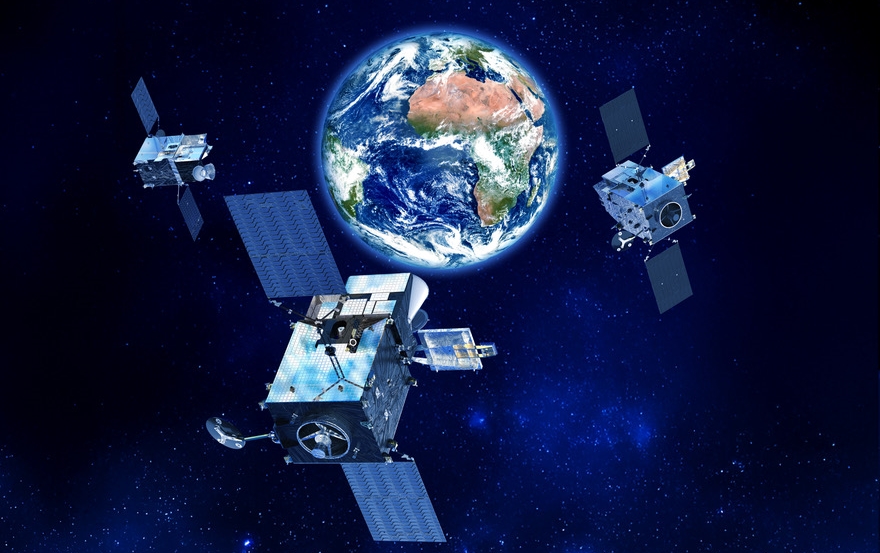
Since 1977, the year the first Meteosat satellite was launched, Thales Alenia Space has always been at the forefront of geostationary weather forecasting.
The company has been prime contractor for 17 satellites built for ESA and EUMETSAT: 7 for the first generation, 4 for the second, and 6 for Meteosat Third Generation (MTG), which includes 4 imagers and 2 atmospheric sounding satellites. Each generation has delivered impressive advancement in weather forecasting. With the first generation, satellite imagery of the Earth was refreshed every 30 minutes.
That was already down to just 15 minutes for the second generation, and with MTG this is cut to just 10 minutes for the entire globe, and 2 minutes and 30 seconds for Europe. The imagers are equipped with lightning detectors, while the sounding instruments will be able to map the atmosphere in 3D.
The MTG-I2 weather satellite, for which Thales Alenia Space is prime contractor, was successfully launched by Arianespace aboard an Ariane 62 rocket from Europe’s spaceport in French Guiana in August 2026.
The MTG-I2 satellite will join the Meteosat-12 imaging satellite (MTG-I1) and the MTG-S1 atmospheric sounding satellite, launched in December 2022 and July 2025 respectively, in orbit. MTG-I2 will work in tandem with Meteosat-12. While the latter provides imagery over Europe and Africa refreshed every 10 minutes, MTG-I2 will capture imagery over Europe updated every two and a half minutes, delivering weather imagery of unmatched precision at an unprecedented rate. Europe will thus have the most sophisticated weather forecasting services in the world.
To learn more about our Earth observation and protection missions: Observe & protect | Thales Alenia Space
Space to Connect
Made-to-measure product lines for operators and States
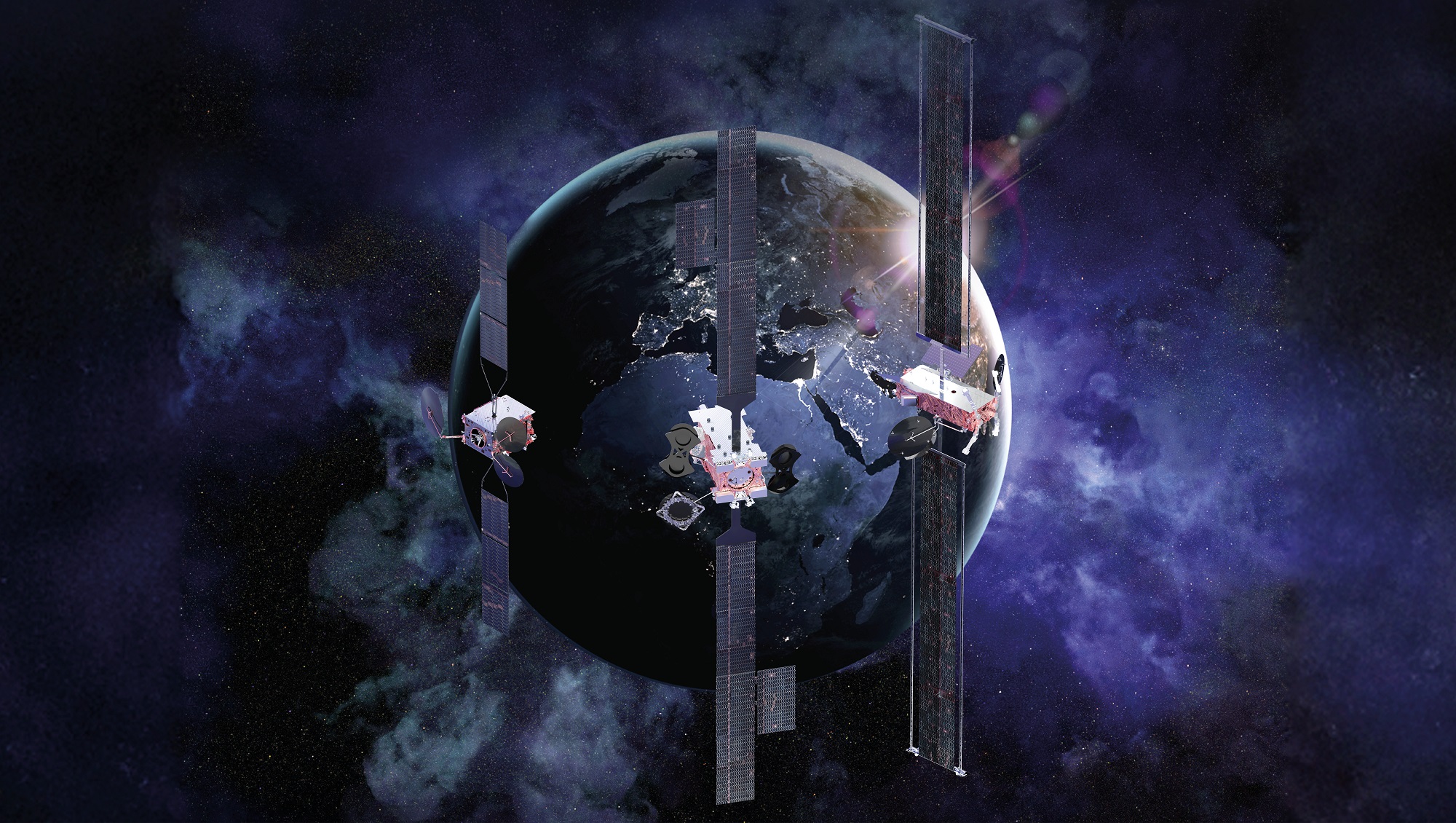
Thales Alenia Space offers a wide range of solutions tailored to the different expectations of the telecommunications market, for both civil and military applications. Our offering comprises three product lines for geostationary orbit: the Spacebus B2 platform, particularly suited to regional operators; Spacebus NEO, a highly capable, all-electric platform solution delivering very high-speed internet connectivity; and Space INSPIRE, a fully digitalized solution that can be reconfigured in orbit.
These three solutions provide concrete, case-by-case answers to operators based on their most specific needs in terms of connectivity, mobility and geographic coverage, notably in “not spots”. To ensure the complementarity of requirements specific to medium and low Earth orbit, Thales Alenia Space is also a partner of choice for operational constellations, with three constellations already to its credit. The company will also play a central industrial role aboard the IRIS² program.
2 new orders in 2026!
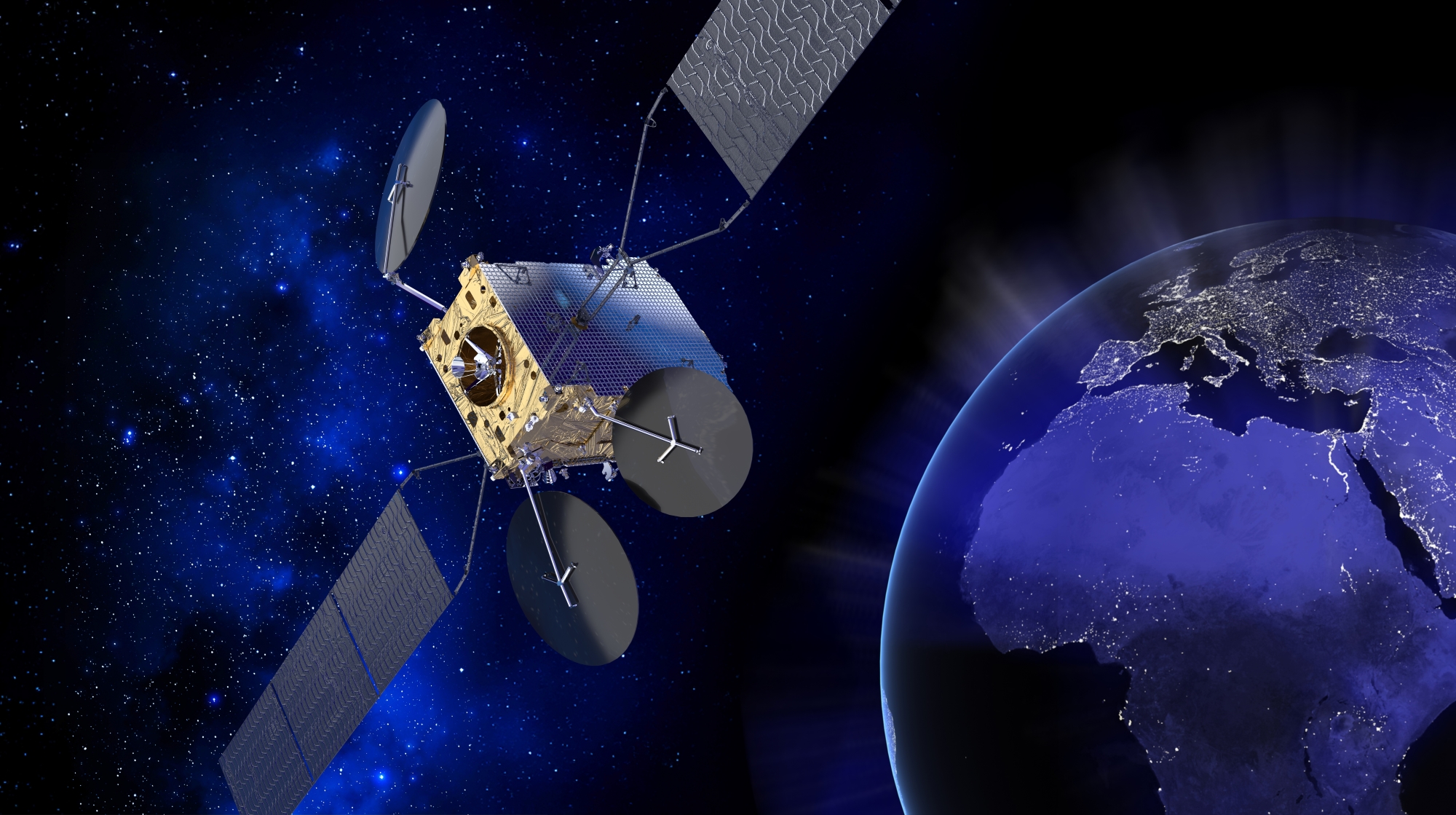
In 2026, Thales Alenia Space signed a contract with Es’hailSat, the Qatar Satellite Company, to develop a new generation software-defined satellite based on the Space INSPIRE platform. Named Eshail-3/Türksat-Biruni, this geostationary telecommunications satellite will offer high-speed broadband connectivity services across Europe, Africa, Central Asia and the Middle East, in partnership with Turkish operator Türksat.
In 2026, Thales Alenia Space signed a contract with Nigeria’s government-owned NIGCOMSAT Ltd to develop a new telecommunications satellite, NigComSat-2A, which will operate from geostationary orbit.
To learn more about our expertise supporting connectivity for all: Connect | Thales Alenia Space
Space to Secure & defend
Observation systems in support of surveillance
With the resurgence of high-intensity conflicts, new defense requirements are emerging, notably in secure telecommunications, Earth observation and satellite navigation.
Thales Alenia Space offers a broad range of space-based solutions supporting national sovereignty. The company has proven expertise in military or dual-use telecommunications systems. We also build Earth observation systems fitted with very-high-performance optical or radar instruments, and we supply control and integration centers.
High revisit Earth observation
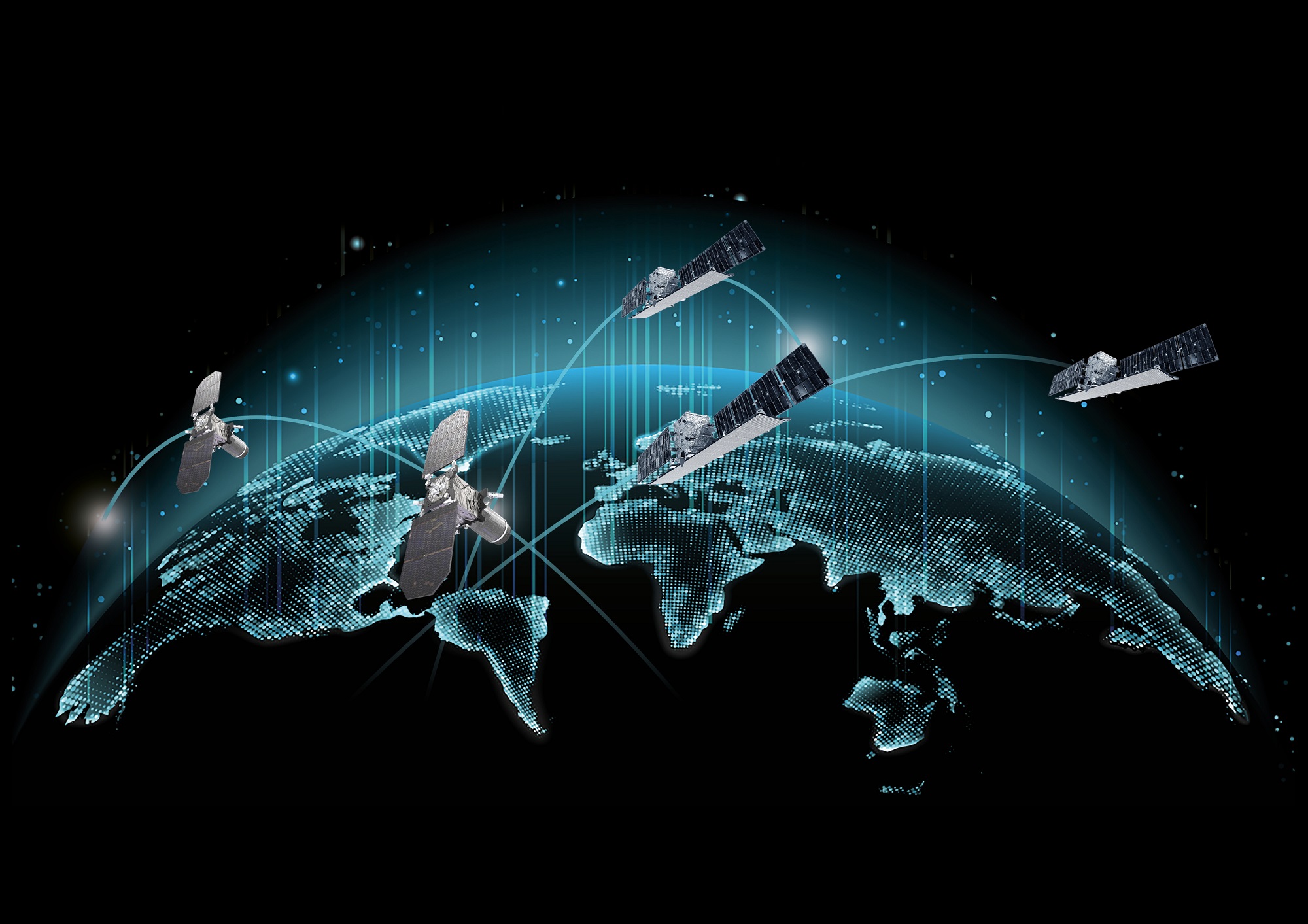
Thales Alenia Space has also launched ALL-IN-ONE, a cutting-edge observation solution combining optical and radar smallsats to guarantee high revisit rates and ideal control capabilities for near real-time surveillance, day and night and in all weather conditions. ALL-IN-ONE is one of the best surveillance solutions for states seeking to safeguard their space sovereignty.
A new sovereign constellation for Europe
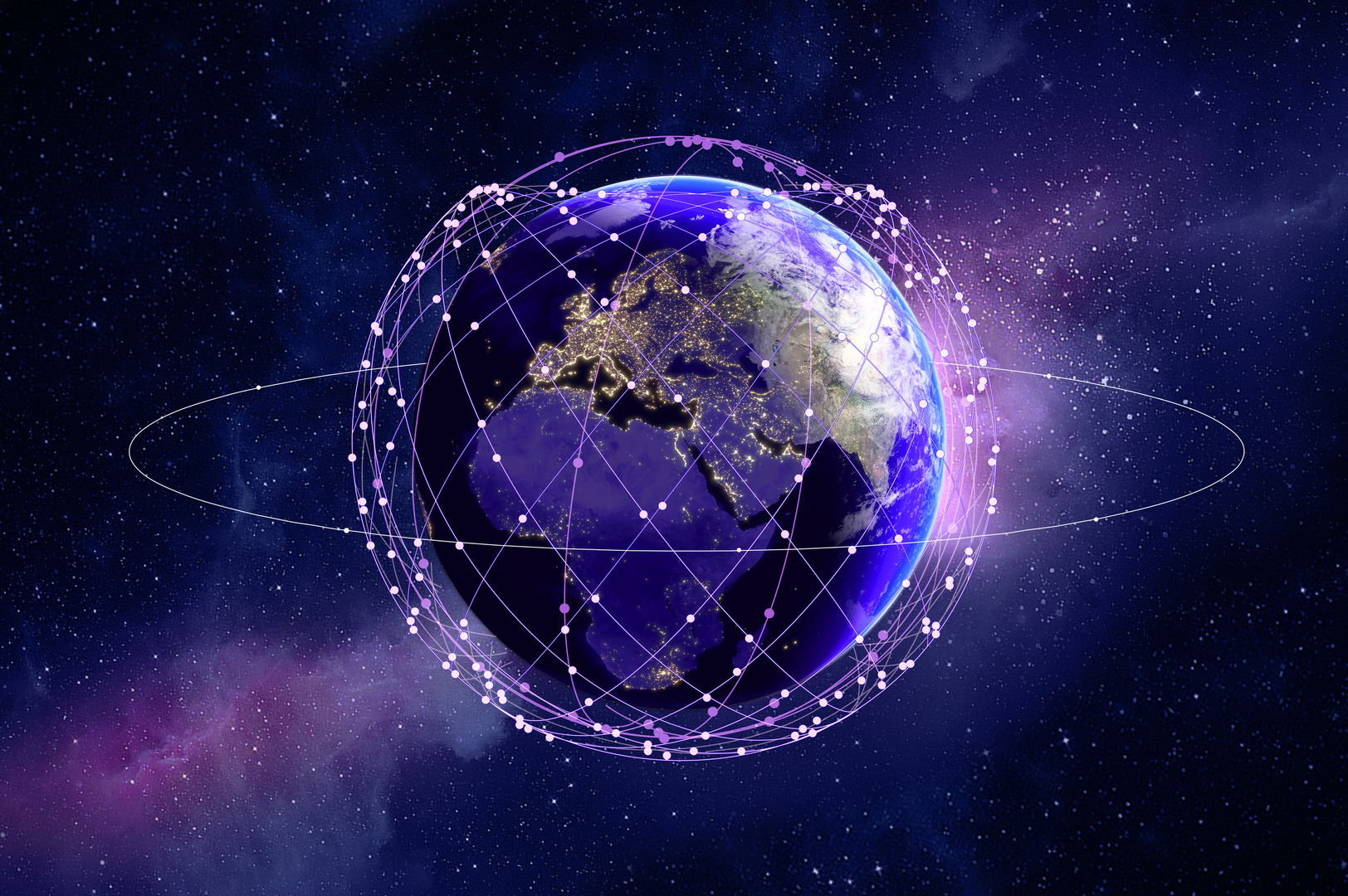
The European IRIS² program is essential to guarantee the sovereignty and security of satellite telecommunications and data transmissions for governments, institutions, economic players and citizens across the continent. It embodies the new multi-orbit approach adopted by telecom operators for the satcom constellations of tomorrow. More specifically, this future 5G constellation will offer secure communications services to government agencies for civil protection, emergency management, defense and security, as well as B2B services for businesses.
Earlier this month, Thales Alenia Space announced the signatures of Letters of Agreement with Eutelsat to provide all the governmental payloads (in ka-band) dedicated to the 330 IRIS2 telecommunications satellites in Low Earth Orbit (66 Ka-only satellites and 264 dual Ku/Ka satellites).
To learn more about our secure observation and telecommunications systems: Secure & defend | Thales Alenia Space
Space to Travel & navigate
Satellite navigation systems are there to give citizens all the assistance they need to get around and travel safely. Satellite navigation is also needed at certain airports to assist pilots during takeoff and landing. These systems can be used for an extremely wide range of applications: tracking ships at sea, search and rescue, Internet of Things (IoT) applications, agriculture, and more. Countless lives have already been saved thanks to these technologies.
Thales Alenia Space has always been at the forefront of satellite navigation in Europe. Being responsible for the Ground Mission Segment and the Ground Security Facility for the first-generation Galileo constellation, our company is now developing six satellites for Galileo Second Generation, as well as the associated Ground Mission Segment. Galileo is one of the flagship programs supporting Europe’s sovereignty, and represents the state of the art in satellite navigation systems.
From Galileo to Celeste!
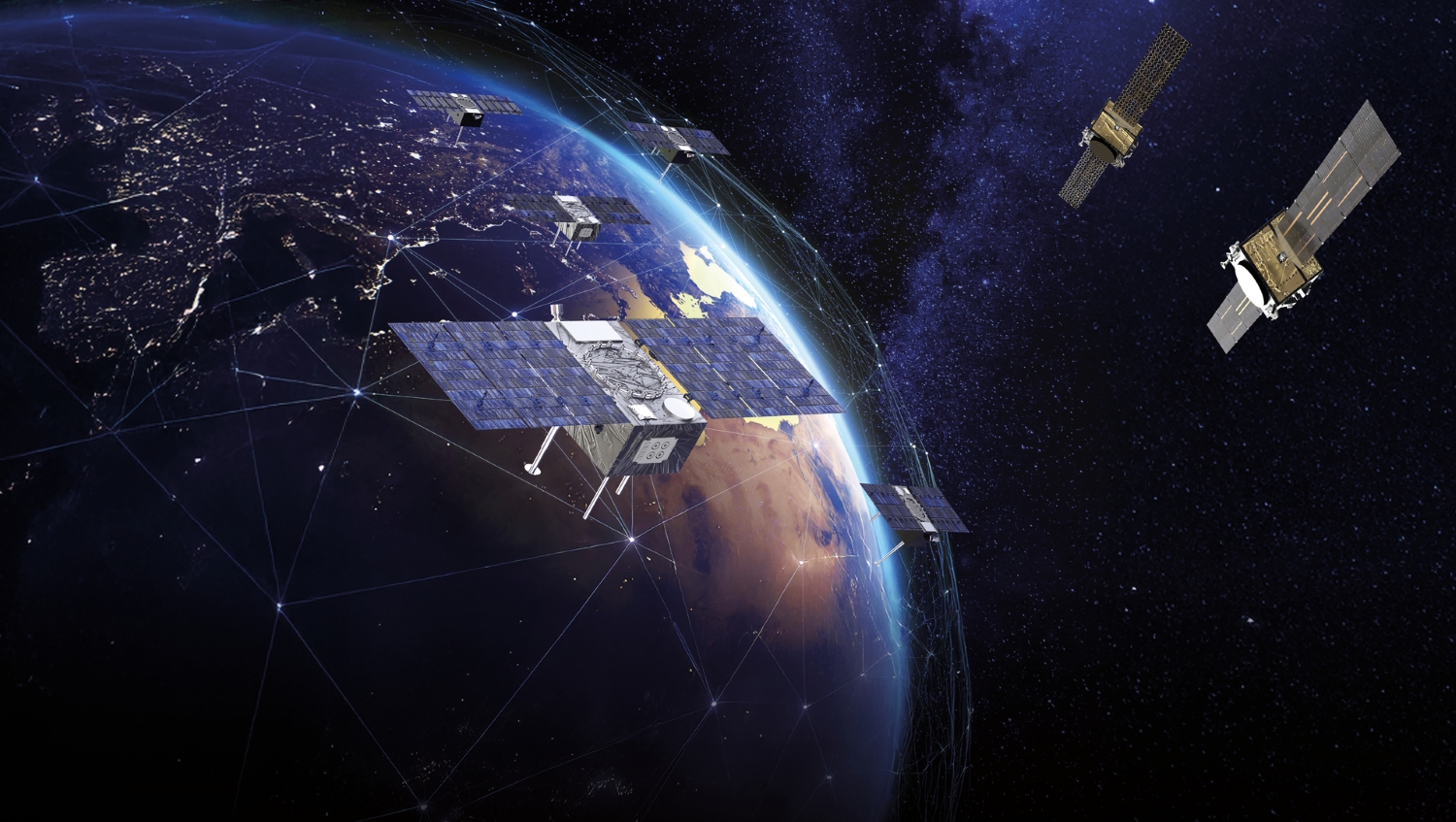
In 2024, ESA launched the Celeste project, which is currently in its In-Orbit Demonstration (IOD) phase.
This first phase will comprise a total constellation of 11 low-Earth-orbit microsatellites, built by two European prime contractors, including 5 satellites manufactuted by Thales Alenia Space. This mission aims to demonstrate the extent to which LEO PNT (“Low Earth Orbit Precise Navigation Timing”) can strengthen the resilience of current and future medium-orbit navigation services and exponentially boost their performance. Two demonstration satellites were successfully launched from New Zealand in March 2026. One of them, named Celeste IOD-2, was built by Thales Alenia Space.
Ultimately, ESA’s future Celeste system will be able to guarantee centimeter-level geolocation accuracy, robustness and resistance to jamming and spoofing attacks, as well as low latency (ultra-fast signal acquisition), working alongside Galileo and other satellite navigation systems.
The Celeste mission will pave the way for new applications, including highly autonomous vehicles by providing continuous coverage in dense urban areas, the Internet of Things (IoT), unmanned aerial and maritime systems (UAS/MUS), and new services in particularly demanding environments that can impair the performance of existing systems — such as urban canyons, dense foliage, polar regions and even indoor spaces — as well as synchronization of terrestrial 5G/6G telecommunications networks.
To learn more about our satellite navigation technologies: Travel & navigate | Thales Alenia Space
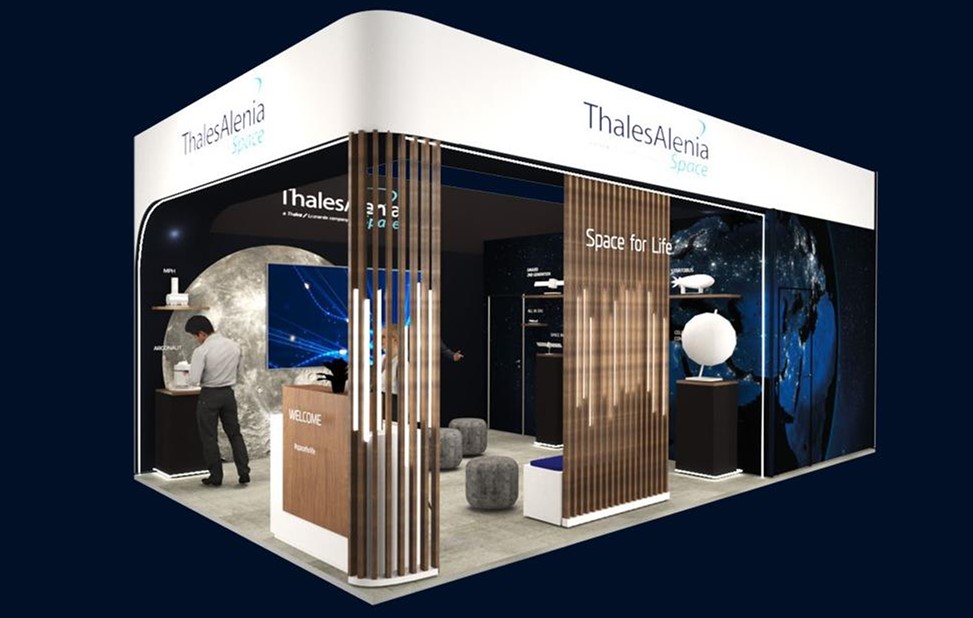
If you would like to learn more about our technologies, come and meet our teams on our booth during the event: NEST Convention Center ANTALYA, Turkey - Stand 1B-03, Hall 1.