
“Safe” is not the word that first comes to mind to describe living in space.
While it’s true that humanity has sustained a continuous presence in low Earth orbit for more than 25 years now, thanks to the International Space Station (ISS), escaping our planet’s atmosphere — so precious for its environment, yet a formidable barrier when launching crews into orbit — is never an easy prospect.
That’s why, working with the world’s leading space agencies and trusted partners, we’ve always dedicated ourselves to building solutions that provide enhanced protection for astronauts inside spacecraft or pressurized modules.
We embarked on our path to excellence back in the 1970s in Turin, studying how to better shape the foundations of Spacelab, the first European pressurized module designed to support life in space.
Fun fact: Did you know that 63 of the 135 missions flown by the U.S. Space Shuttle carried hardware developed by our teams at Thales Alenia Space?
That’s something we’re very proud of.
An impressive track record onboard the International Space Station
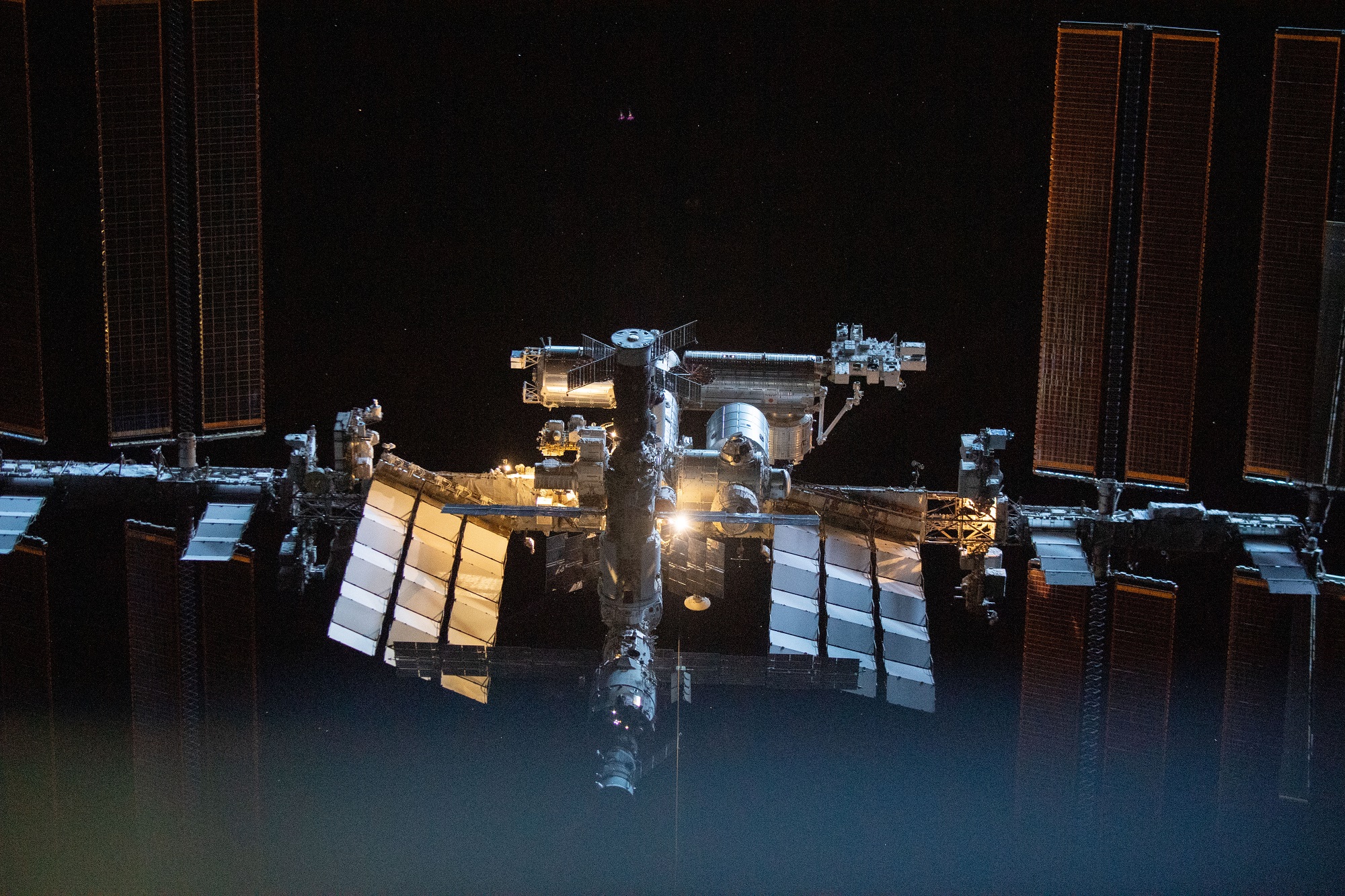
Our journey continued with our adventure aboard the ISS, working on Node 2, Node 3, three Multipurpose Logistics Modules (MPLM), the Permanent Multipurpose Module (PMM), five Automated Transfer Vehicles (ATV), Europe’s Columbus laboratory, the Bishop Airlock for small payloads, and the most iconic of them all, the Cupola.
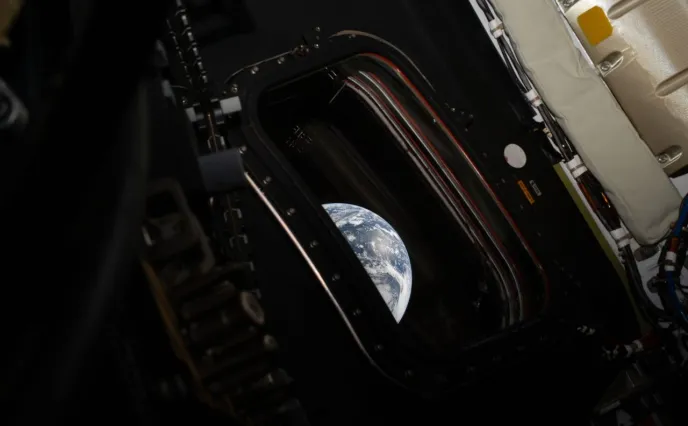
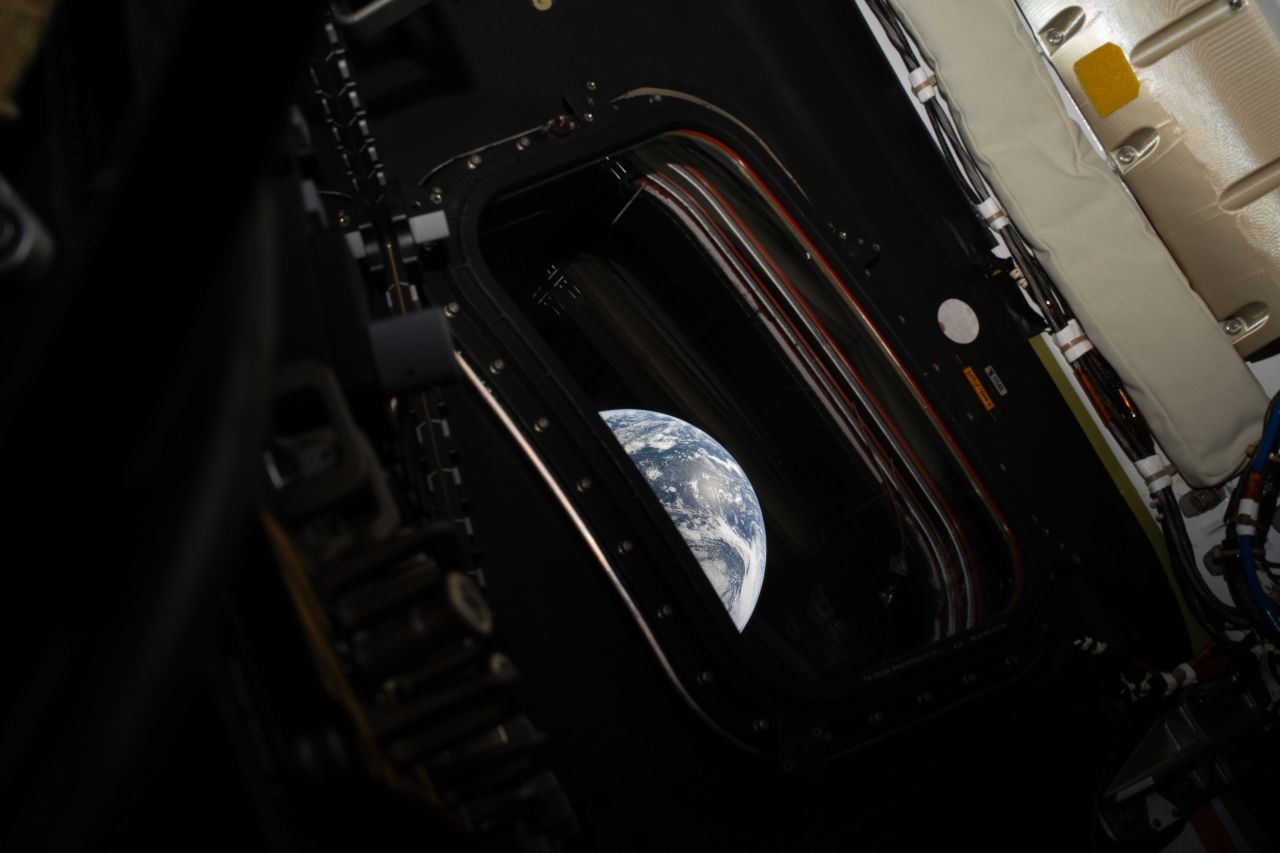
The Cupola, initially conceived as a functional asset to aid vehicle docking, soon became one of the station crew’s favorite places, affording a commanding view of planet Earth as thoughts turned to loved ones back home and reminding them that they remain profoundly human, like the rest of us.
Through advanced technologies and dedicated teams, we simplify human spaceflight and make life easier for space crews — strengthening our connection with astronauts and reinforcing our sense of pride and duty.
Delivering vital cargo to crews aboard the ISS
Going back to hardware, we’re also supporting the continued presence of humans in space, with the 24th Cygnus Pressurized Cargo Module (PCM) almost ready for flight and the 25th currently undergoing integration in our clean rooms.
Cygnus is vital to crews living and working aboard the ISS, ferrying supplies to them and retrieving trash.
The Moon in sight
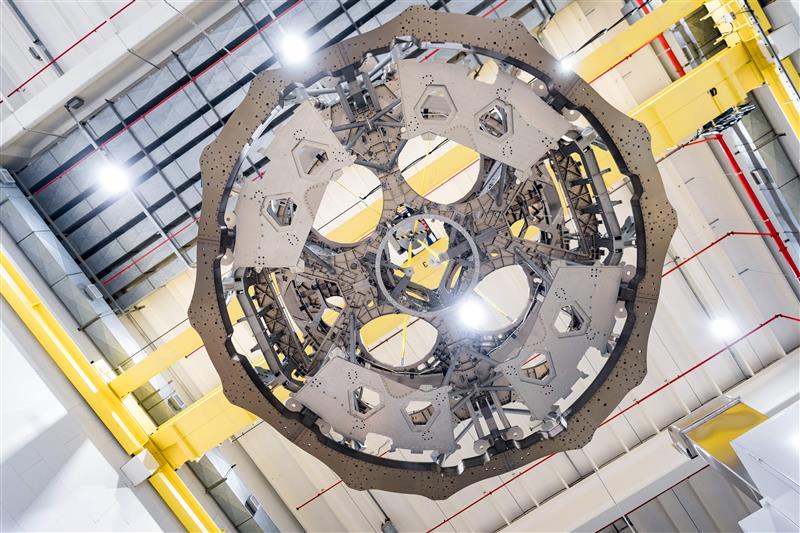
Today, after the success of Artemis I and work to validate and enhance the subsystems powering the vehicle, we’re on the cusp of an historic moment. Going back to the Moon means a lot for everybody. The Artemis Generation will be fired by the same sense of wonder that inspired the Apollo Generation more than 50 years ago.
The task of our engineers and technicians goes beyond the design, manufacture, and assembly of the primary structure of the European Service Module (ESM), and the integration of key subsystems; they’re also instrumental in enabling the return of a human crew to lunar orbit for the first time since December 1972.
Artemis II makes history
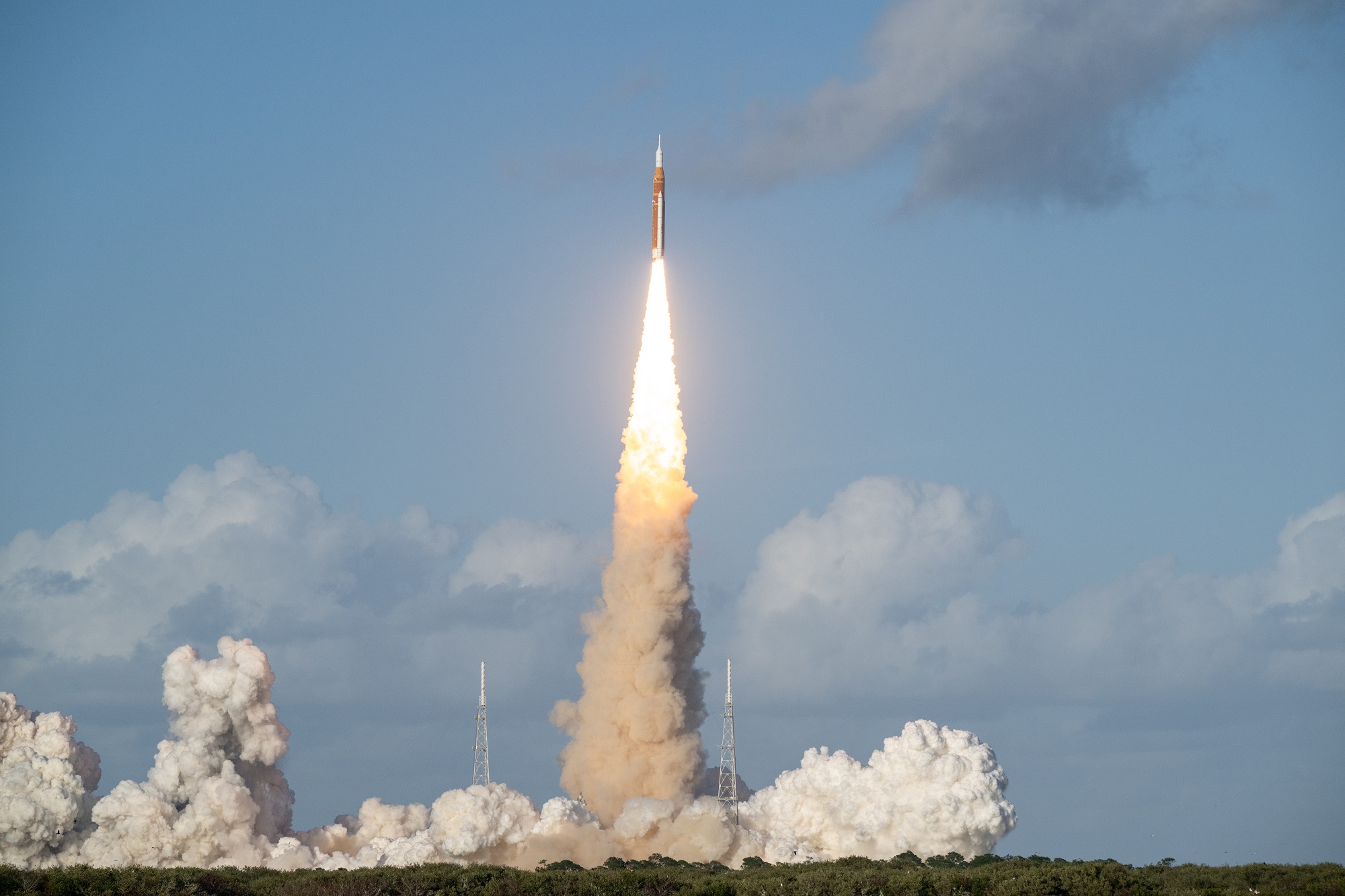
The departure of the Artemis II crew aboard an Orion spacecraft at 00:35 CEST on April 2 will go down in history. The perfect launch sequence of NASA’s SLS as it soared skyward will forever remain a powerful image in the eyes and minds of us all.
Right now, while Reid, Victor, Christina, and Jeremy are putting the Orion spacecraft through its paces, leveraging the ESM’s capabilities, our teams across Europe are already working to design future solutions that will put humans back on the lunar surface.
The Artemis campaign aims to establish a sustainable and continuous presence on the Moon’s surface, and we’re working to achieve exactly that.
Future infrastructures on the lunar surface
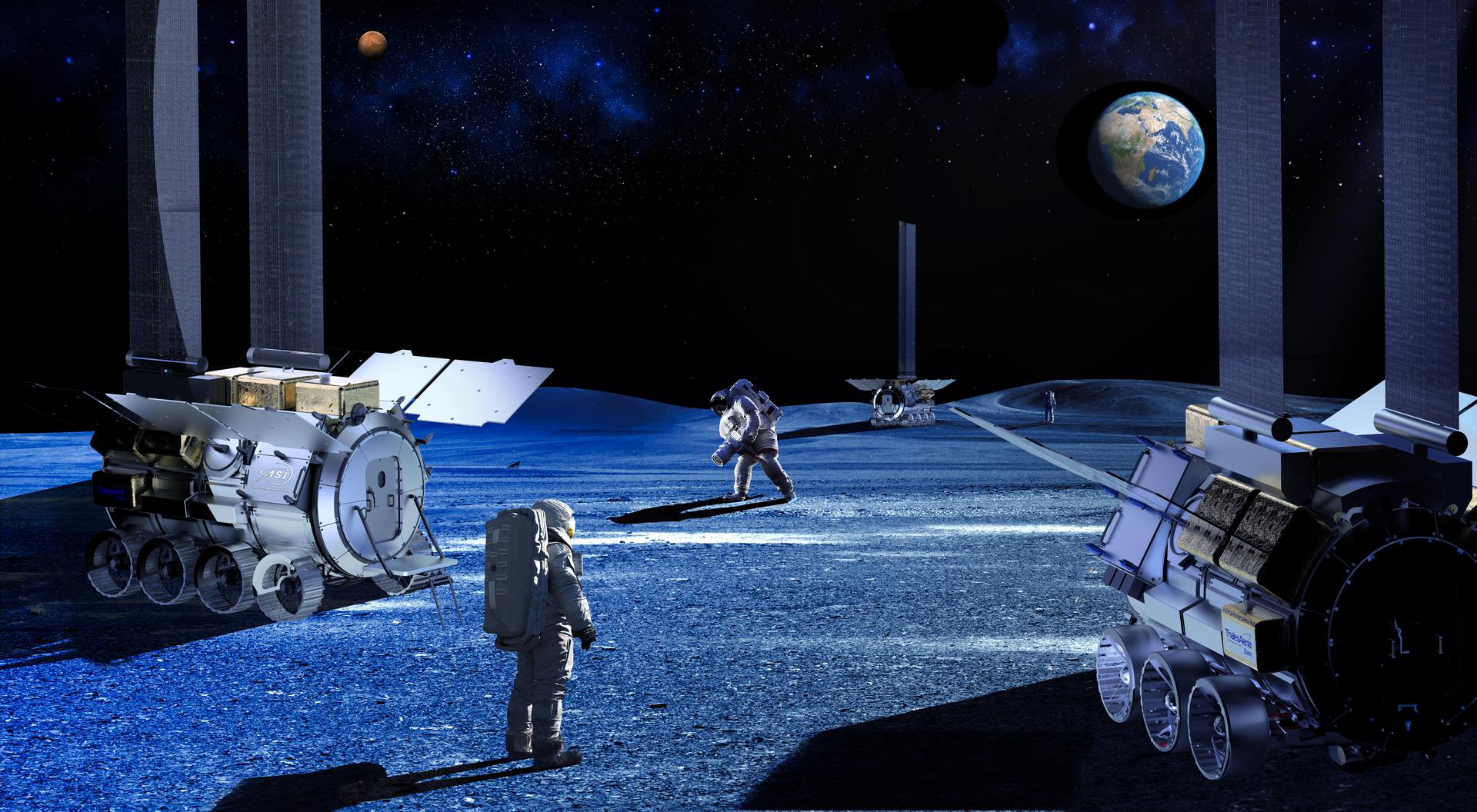
Under the agreement between the Italian space agency ASI and NASA, our teams are currently designing the Multi-Purpose Habitation Module (MPH), the first ever pressurized module to serve as a mobile shelter. This permanent outpost on the lunar surface will enable astronauts to live safely on the lunar surface and protect them from its harsh environment.
First low Earth orbit, then lunar orbit, and tomorrow the lunar surface: it will be a challenge, new technologies will have to be developed, and skills will have to be consolidated, but our teams are fully dedicated to pushing the boundaries of human presence in space further.
And establishing a lasting presence for astronauts on the Moon implies sustainable logistics.
The Argonaut lunar descent module will be one of the key European enablers for this. Thales Alenia Space will develop Argonaut for ESA, designed to ferry all types of cargo needed to perform science and work on the lunar surface, while providing life support for astronauts.
“Flying to the Moon” and in lunar orbit
Our company will also supply the space navigation segment, comprising four satellites, as part of ESA's MoonLight program, providing geolocation capabilities to aid navigation all over the Moon, facilitating landing and getting around on our natural satellite.
These past few days, history was made and this journey is just beginning. We’re all very proud to be working beside the world’s leading space agencies, collaborating with talented partners, and playing a key role in this adventure set to mark a new chapter for humanity in space.