

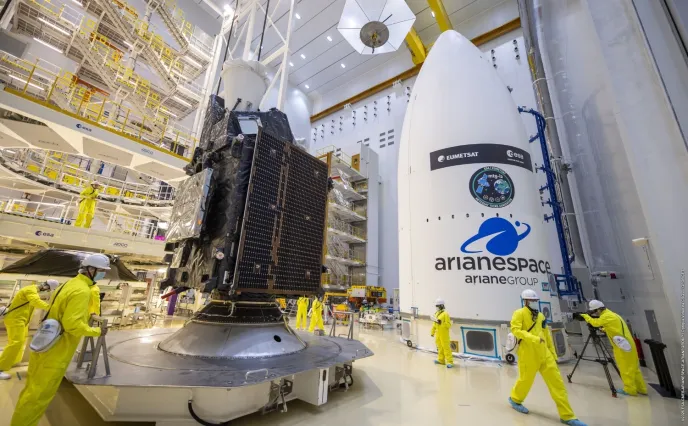

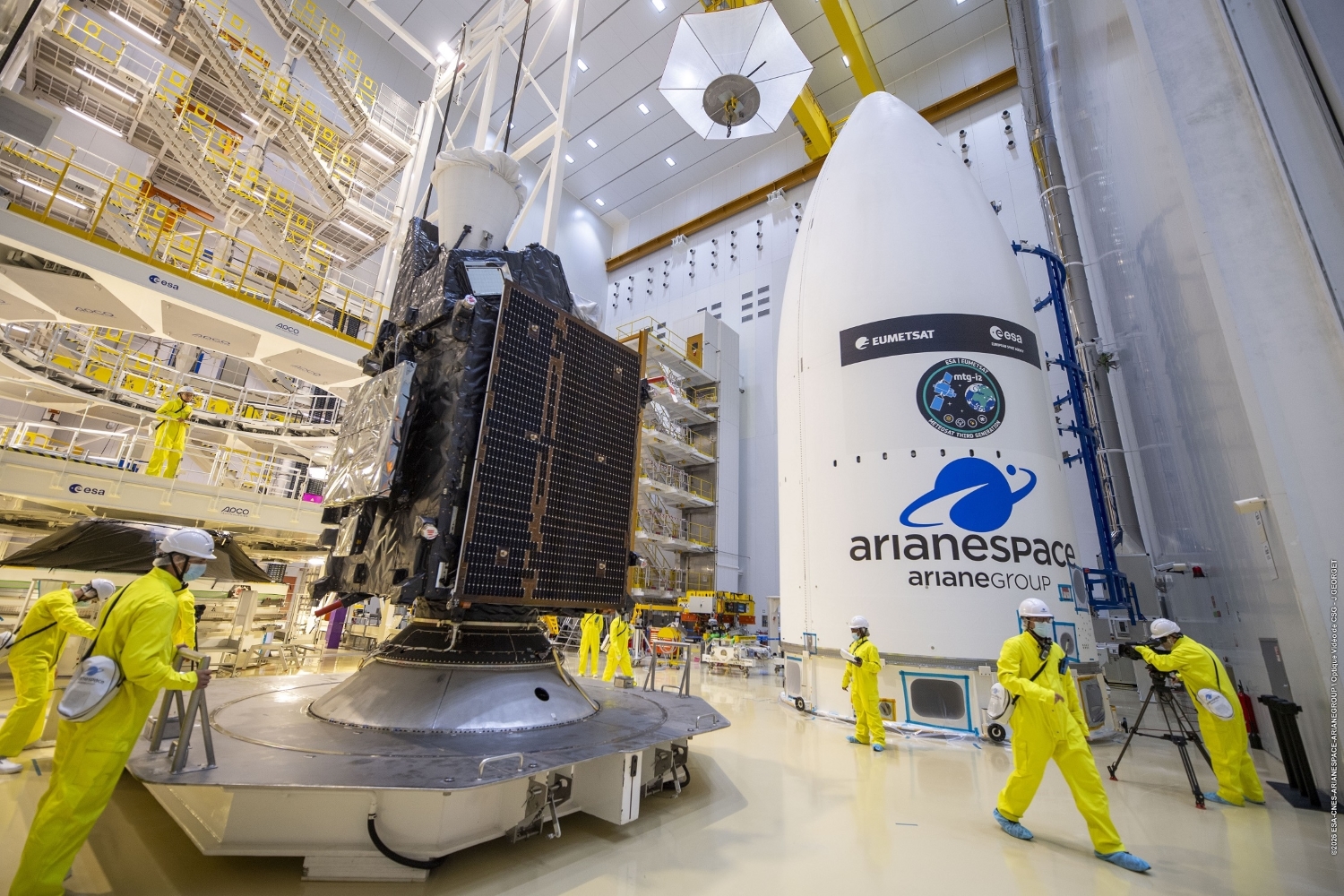
On August 27, the second imaging satellite in the Meteosat Third Generation (MTG) fleet, MTG-I2, will lift off from Europe's Spaceport in French Guiana aboard an Ariane 62 rocket. Built under Thales Alenia Space's prime contractorship, MTG-I2 will complete the Meteosat Third Generation (MTG) system dedicated to improving weather forecasting in Europe and Africa.
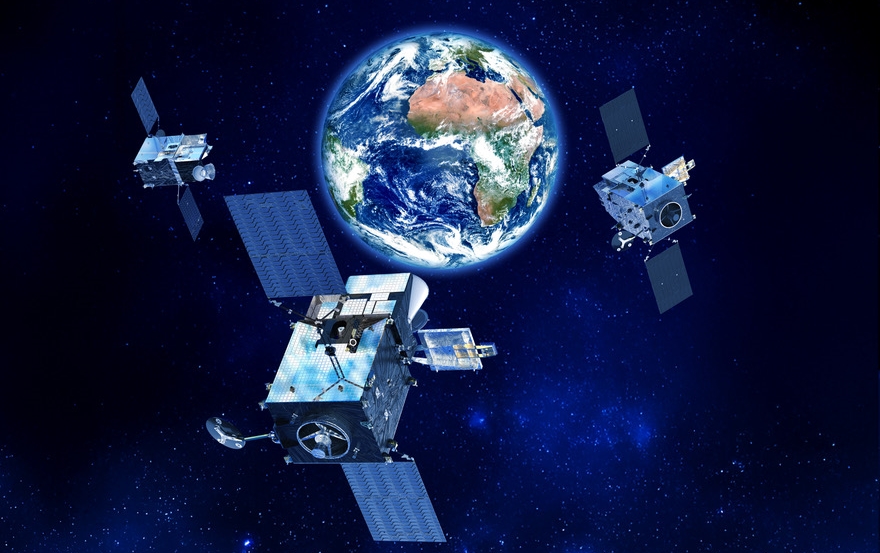
Intense activity in Kourou!
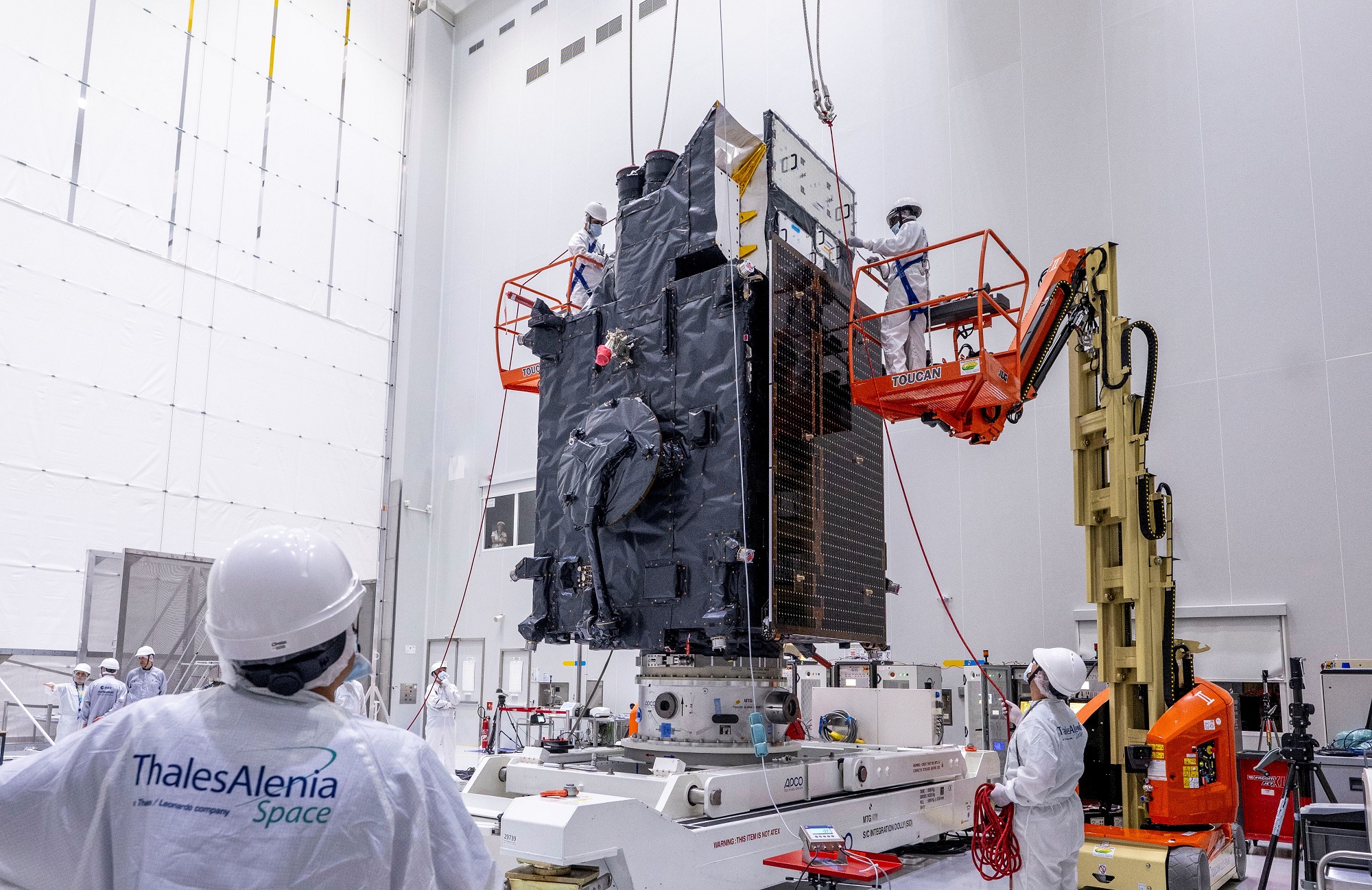
Alongside teams from the European Space Agency (ESA) and Arianespace, Thales Alenia Space engineers and technicians successfully completed all final functional tests on the MTG-I2 satellite in preparation for its launch.
MTG: a new era for space-based meteorology

In recent months, Europe has seen a surge in extreme weather events, such as storm Goretti, underscoring the critical need to improve the accuracy and speed of weather forecasting. As these events intensify, reliable alerts are more essential than ever to protect populations and infrastructure. Led by Thales Alenia Space as prime contractor, the MTG program, comprising six satellites in geostationary orbit, four imagers and two atmospheric sounders, aims to revolutionize space-based meteorology in Europe and Africa.
The MTG-I2 satellite will join the Meteosat-12 imaging satellite (formerly MTG-I1) and the MTG-S1 atmospheric sounding satellite in orbit, launched in 2022 and 2025 respectively. MTG-I2 will operate in tandem with Meteosat-12. While Meteosat-12 provides images over Europe and Africa refreshed every 10 minutes, MTG-I2 will capture images over Europe updated every 2.5 minutes, thereby delivering weather imagery of unmatched accuracy at an unprecedented rate.
High-resolution imagery from the Meteosat-12 and MTG-I2 imaging satellites, combined with cutting-edge sounding data provided by MTG-S1, will take weather forecasting capabilities to the next level, particularly for nowcasting. This will enable near-real-time monitoring of severe weather events, making it possible to quickly alert at-risk populations and decision-makers to the growing threats posed by storms, violent thunderstorms and heatwaves.
Thanks to observations that are both more precise and faster, MTG will make it possible to more effectively anticipate the impacts of extreme events, strengthening the resilience of territories and the safety of populations.
Once the MTG-I2 satellite is operational in orbit, Europe will benefit from the world's most sophisticated meteorological services from a geostationary orbit.
The genesis of the Meteosat satellites
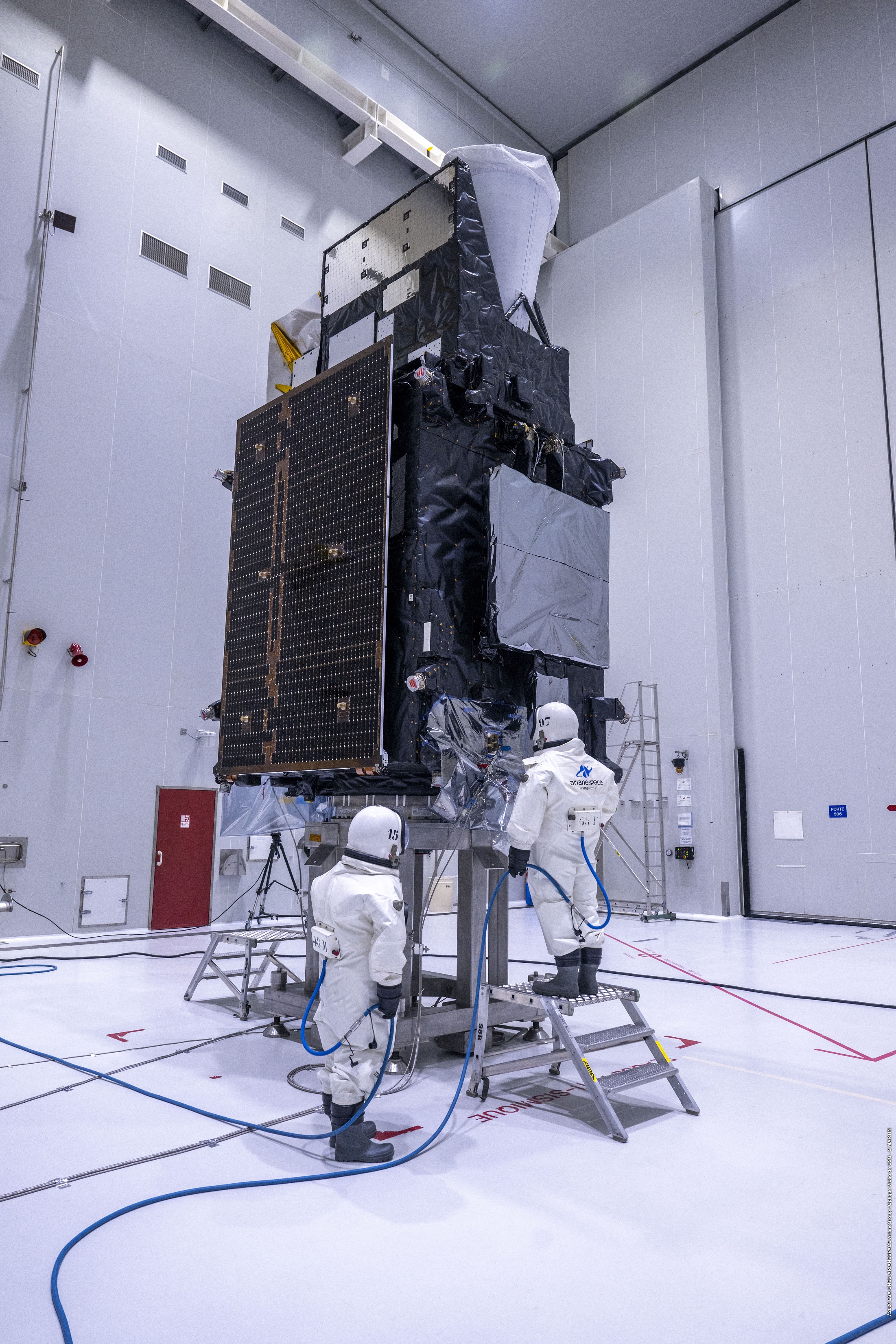
Designed to succeed the Meteosat Second Generation (MSG) series, the Meteosat Third Generation (MTG) program is a cooperation between the European Space Agency (ESA) and EUMETSAT to ensure the continuity of high-resolution weather monitoring beyond 2040. ESA is responsible for developing the MTG satellites and procuring the hardware, while EUMETSAT is responsible for operating the satellites throughout their lifetime and delivering data to users.
Thales Alenia Space has been the prime contractor for Meteosat satellites on behalf of ESA for nearly 50 years. Thales Alenia Space has delivered into orbit 7 first-generation Meteosat satellites (the first of which was launched in November 1977), 4 Meteosat Second Generation satellites and, to date, 2 Meteosat Third Generation satellites.
Since 1977, Meteosat satellites have been a crucial source of weather data for Europe and Africa. Data from these satellites is one of the key contributions made by ESA and EUMETSAT to the World Meteorological Organization's global observing system.