
How do we reach the most distant place ever visited by humans in space? What were the emotions while traveling behind the dark side of our natural satellite, with no possible connection to planet Earth? What is it like to pilot a vehicle like Orion to the Moon and back?
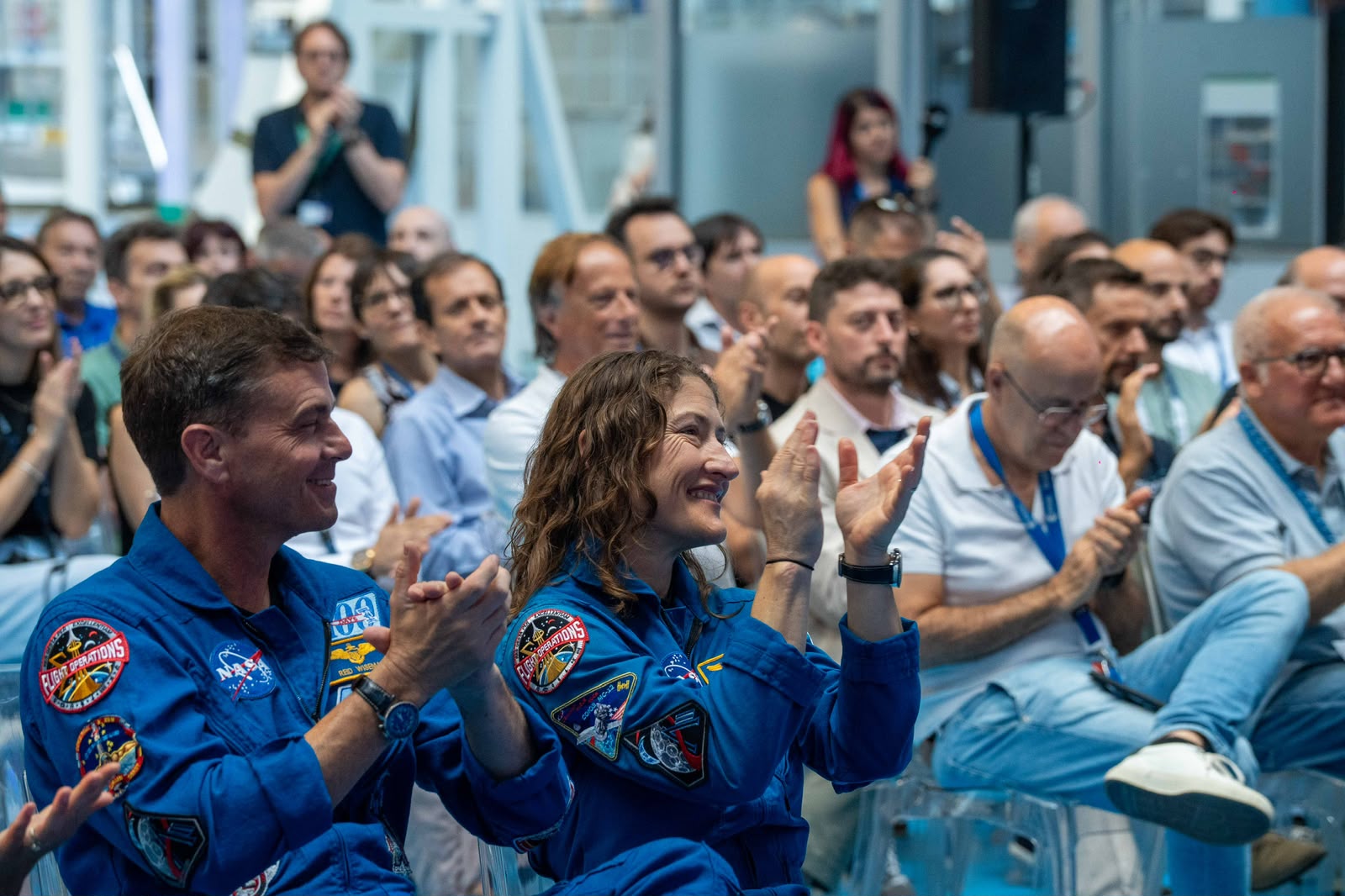
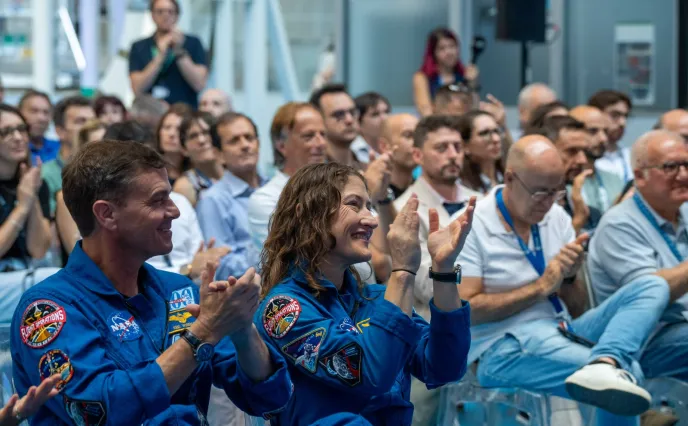
In the presence of a delegation including representatives from NASA and ESA, our teams in Turin had the opportunity to hear directly from Reid Wiseman and Christina Koch, members of the Artemis II crew, about their breathtaking experience.
As part of the European Recognition Tour, a NASA delegation, including the commander of the Artemis II mission, Reid Wiseman, and the mission specialist, Christina Koch, together with the Program Team led by Program Manager Howard Hu, traveled to Turin to recognize Thales Alenia Space for its industrial contribution.
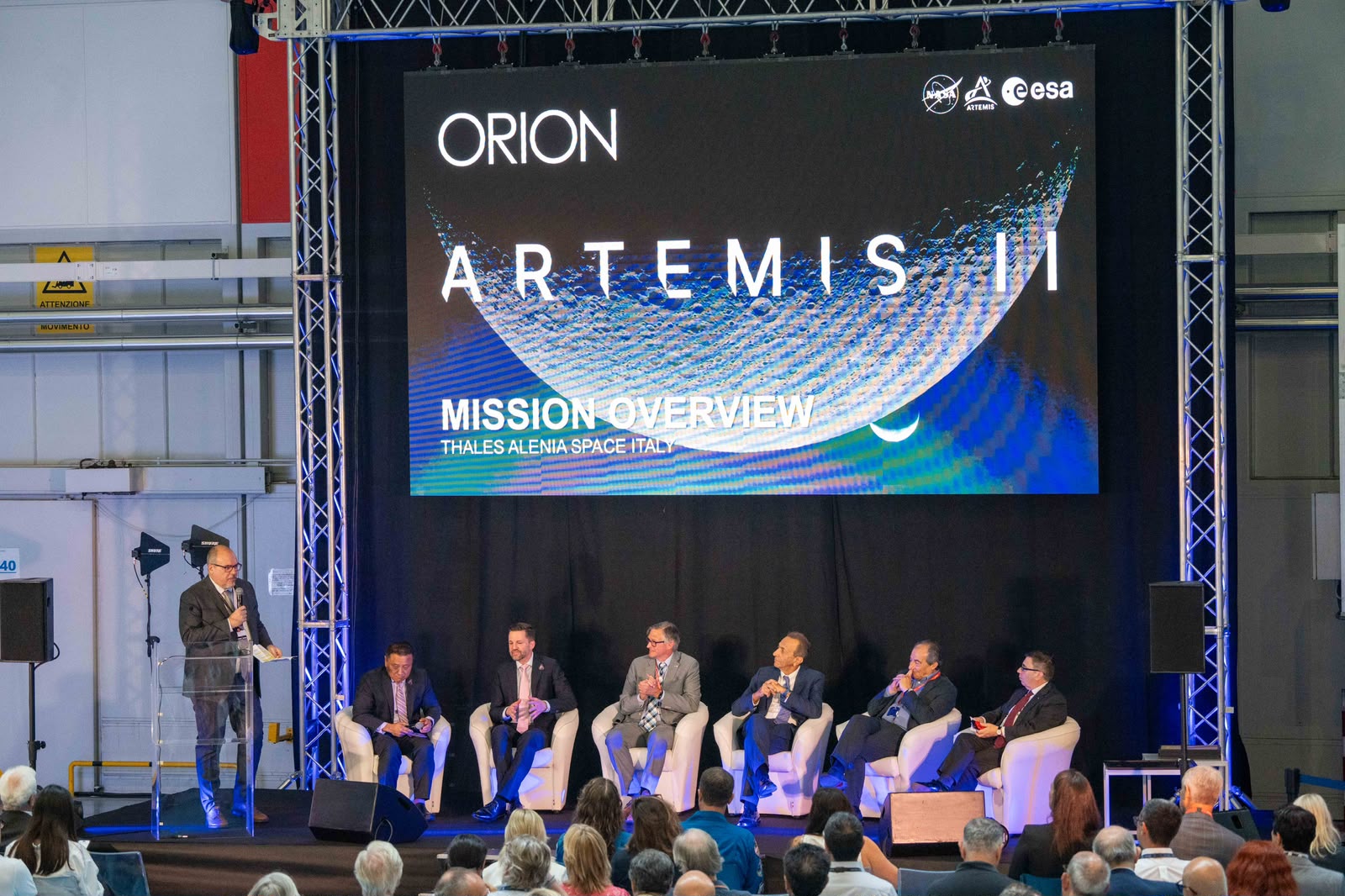
With the contribution of the Exploration leadership from the European Space Agency and the Italian Space Agency, the team at Thales Alenia Space received a unique account of the mission’s technical and experiential aspects.
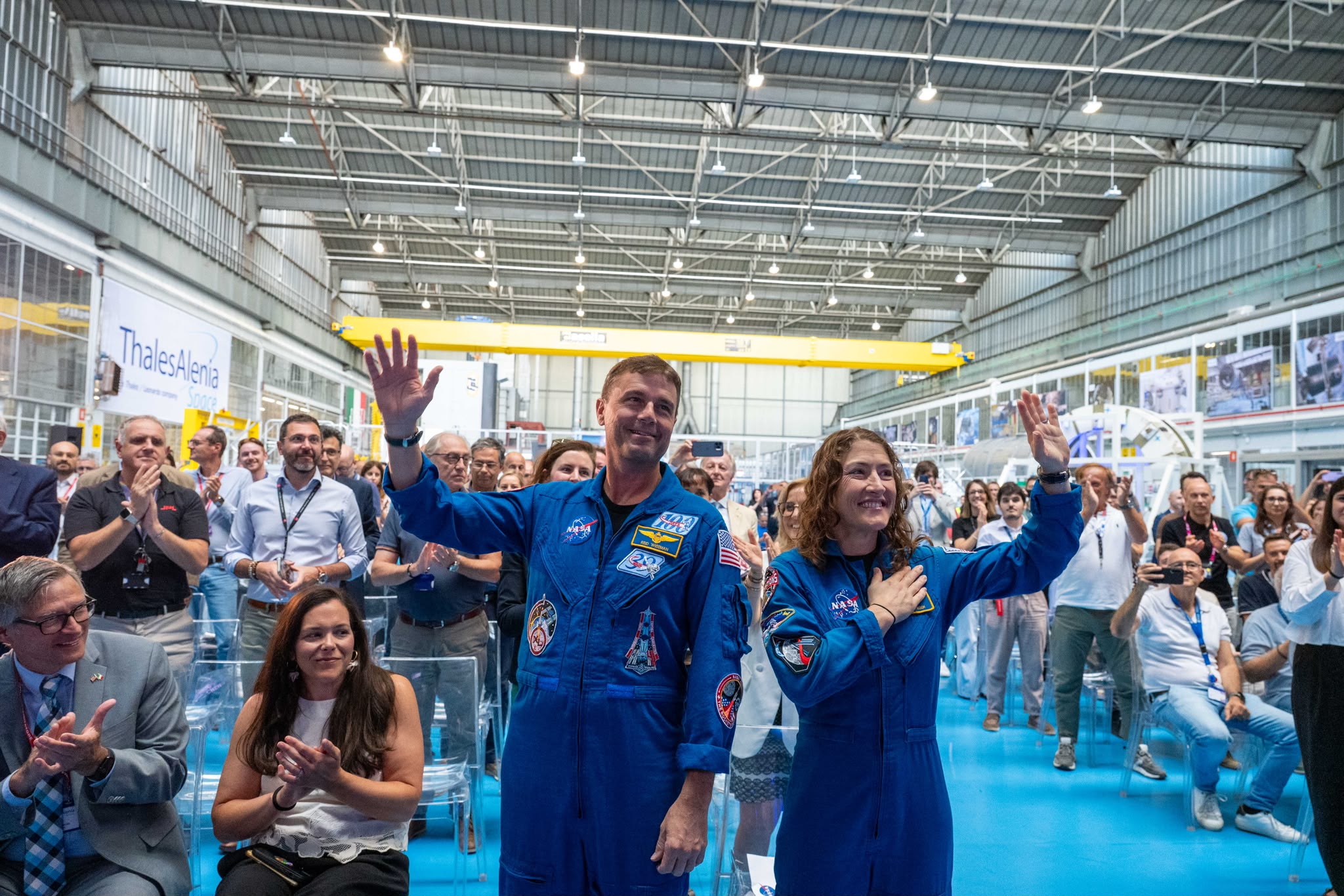
Three Thales Alenia Space representatives, who were on duty during the mission, received a dedicated award for their distinguished work on Orion’s European Service Module.
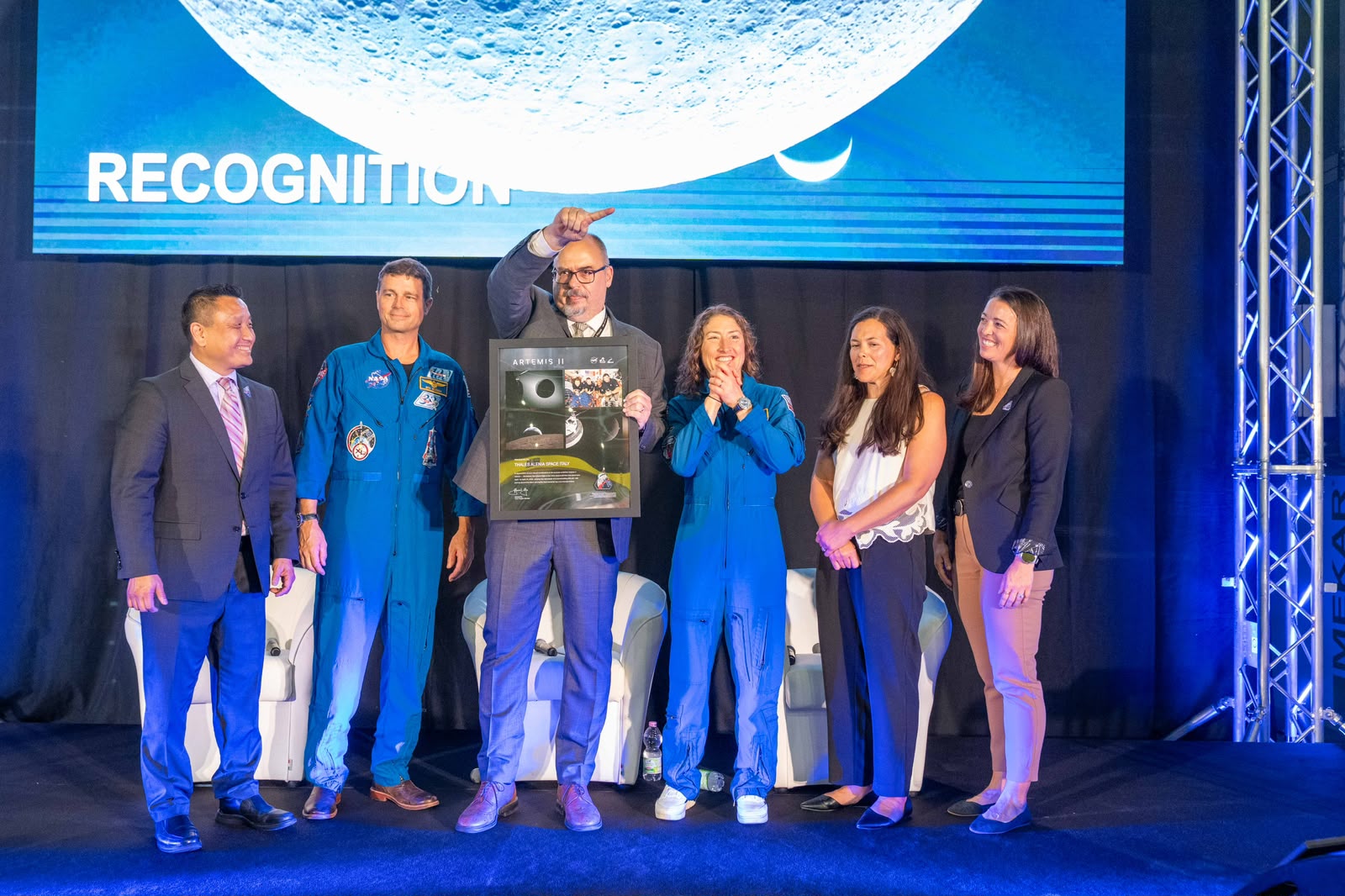
The presence of the crew, together with the highest mission representatives, has been a source of pride and inspiration for Thales Alenia Space; it reflects the thousands of hours dedicated to the evolution of the European Service Module and the progression of the mission — the result of the work done by humans on Earth for those who broke past limits, traveling in space beyond what is known.
Today, our technicians and engineers are already dedicated to the next Artemis missions, supporting, both in Bremen and in the United States at the Kennedy Space Center, the next steps toward bringing humans back to the Moon.
The Artemis II crew has already passed the baton to the next crew, which will have Commander Randy Bresnik, mission specialists Frank Rubio and Andre Douglas. The pilot of the mission will be ESA astronaut Luca Parmitano, whom we had the pleasure of welcoming recently in the same building visited on this occasion by Reid and Christina.
The Artemis III mission will push technology boundaries even further, testing capabilities that we could only dream of a few years ago.
We are all very proud to be alongside Reid, Christina, Victor, Jeremy, Randy, Luca, Frank, and Andre on this fantastic human and technological journey.
About Thales Alenia Space contribution:
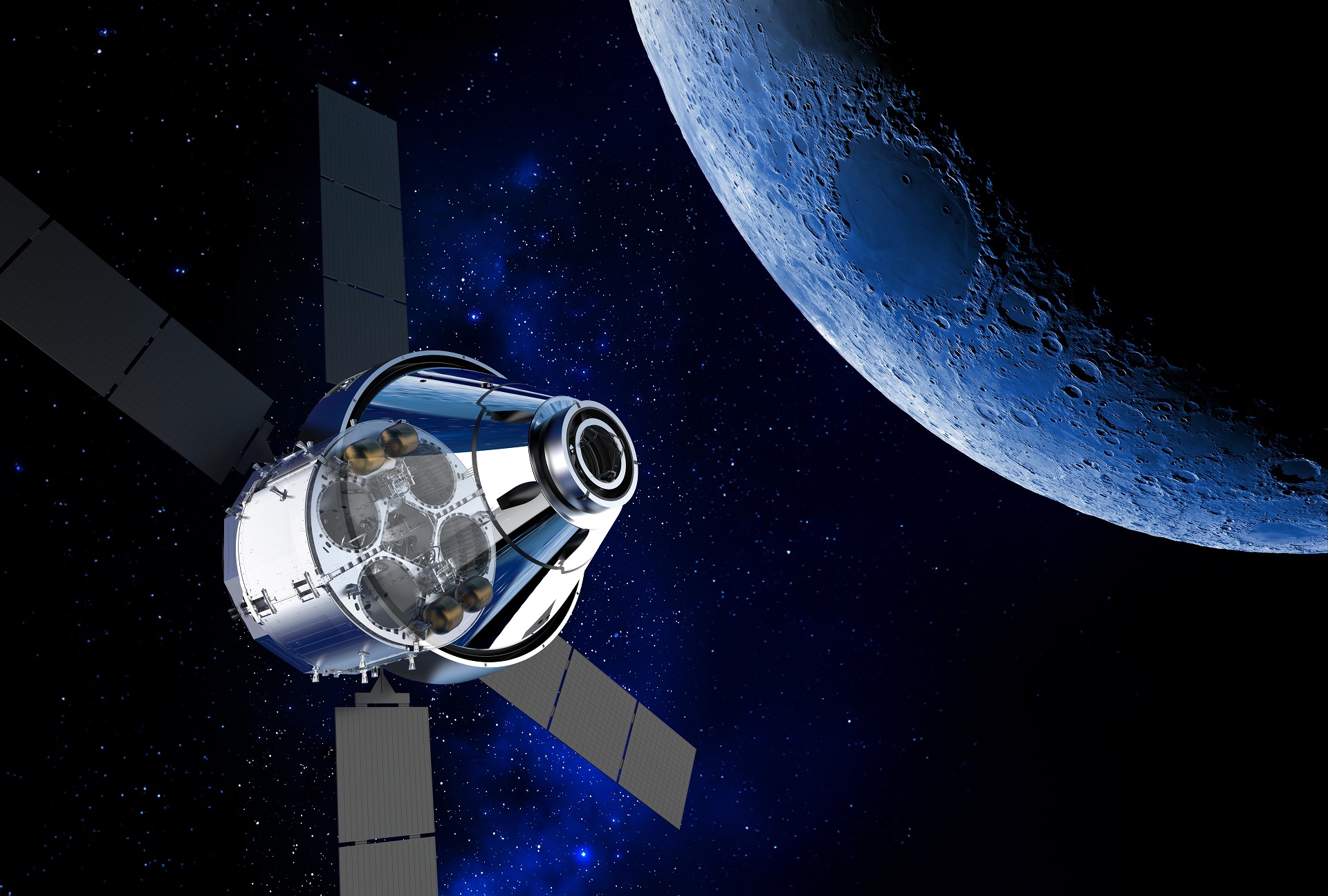
Thales Alenia Space has delivered key subsystems for all six ESA service module segments, including the structure, the thermal control system, and the main life-support capabilities. The thermal control system, along with the radiators, and the consumable service system, which manages the distribution of water, oxygen, and nitrogen, were designed and built at Thales Alenia Space’s facilities in Turin.
The European Service Module program is led by prime contractor Airbus Defence and Space on behalf of the European Space Agency (ESA). Leonardo contributed to the solar panels and to the power management and control units for all ESM modules.
The astronauts also manually operated the spacecraft to demonstrate proximity maneuvers using the engines of the European Service Module, an essential capability for future Artemis missions.
And following the astronauts’ journey on board Orion around the Moon, Telespazio contributed through the antennas at the Fucino Space Centre. These were selected by NASA among voluntary international companies to support the mission’s radio-tracking activities for Artemis II.
About the Artemis II mission:
With the launch of Artemis II, supported by NASA, ESA, and the significant contribution of the Italian Space Agency (ASI), a huge step was taken toward bringing humans back to the Moon and preparing for future missions to Mars.
Four astronauts—three Americans and one Canadian—Commander Reid Wiseman, Pilot Victor Glover, Mission Specialist Christina Koch, and Canadian Mission Specialist Jeremy Hansen—were on board Orion. The spacecraft was launched by NASA’s Space Launch System (SLS) rocket, and after liftoff, they spent about 10 days roughly 7,400 km away from the Moon.
Before heading to the Moon, Orion entered a high-altitude Earth orbit for about 24 hours to test all its systems. After separating from the upper stage of the SLS, the astronauts flew Orion manually: they rotated the spacecraft and conducted a simulated docking maneuver with the upper stage to verify how well it could be controlled during close-range operations.
Then, Orion flipped course and fired the European Service Module (ESM) engine to initiate the transfer to the Moon. At the heart of this historic mission was the European Service Module (ESM) from ESA, which provided Orion with vital support—power and propulsion—to keep the journey safe beyond Earth’s orbit.
Future infrastructures on the lunar surface
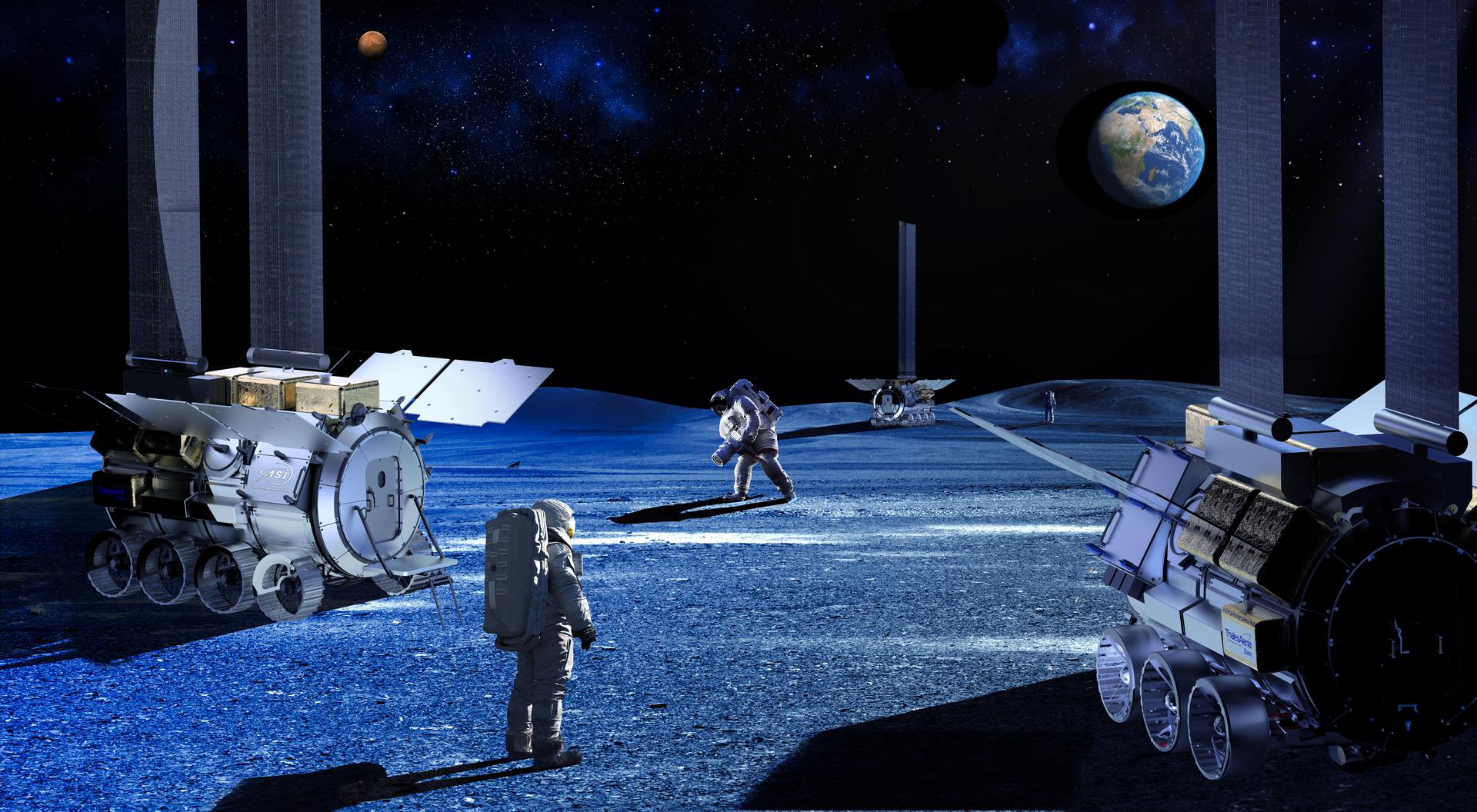
Under the agreement between the Italian space agency ASI and NASA, our teams are currently designing the Multi-Purpose Habitation Module (MPH), the first ever pressurized module to serve as a mobile shelter. This permanent outpost on the lunar surface will enable astronauts to live safely on the lunar surface and protect them from its harsh environment.
First low Earth orbit, then lunar orbit, and tomorrow the lunar surface: it will be a challenge, new technologies will have to be developed, and skills will have to be consolidated, but our teams are fully dedicated to pushing the boundaries of human presence in space further. And establishing a lasting presence for astronauts on the Moon implies sustainable logistics.
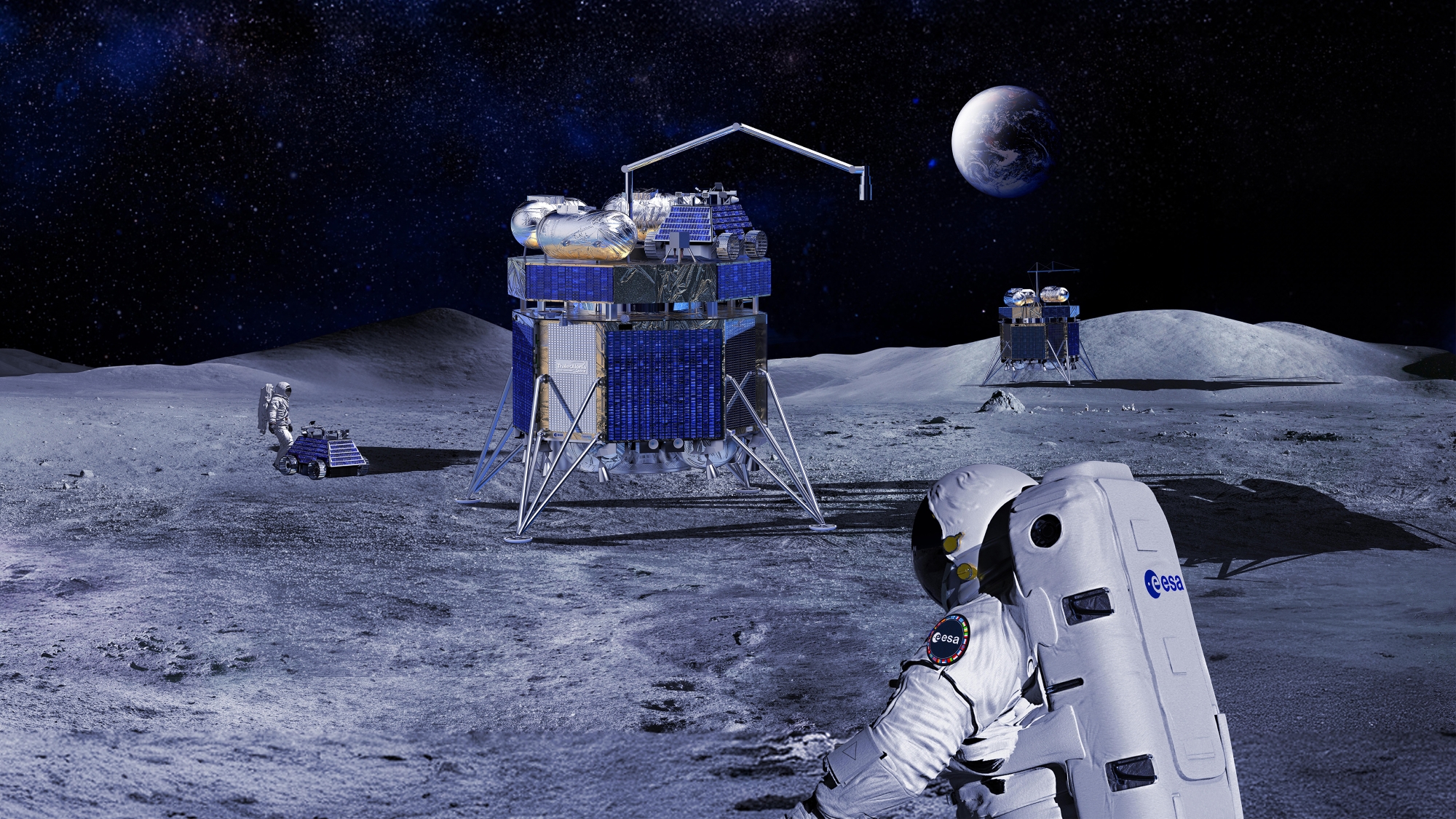
The Argonaut lunar descent module will be one of the key European enablers for this. Thales Alenia Space will develop Argonaut for ESA, designed to ferry all types of cargo needed to perform science and work on the lunar surface, while providing life support for astronauts.
“Flying to the Moon” and in lunar orbit
Our company will also supply the space navigation segment as part of ESA's MoonLight program, providing geolocation capabilities to aid navigation all over the Moon, facilitating landing and getting around on our natural satellite.
With Artemis I and Artemis II, history was already made and this journey is just beginning. We’re all very proud to be working beside the world’s leading space agencies, collaborating with talented partners, and playing a key role in this adventure set to mark a new chapter for humanity in space.