
JAN 30 2026
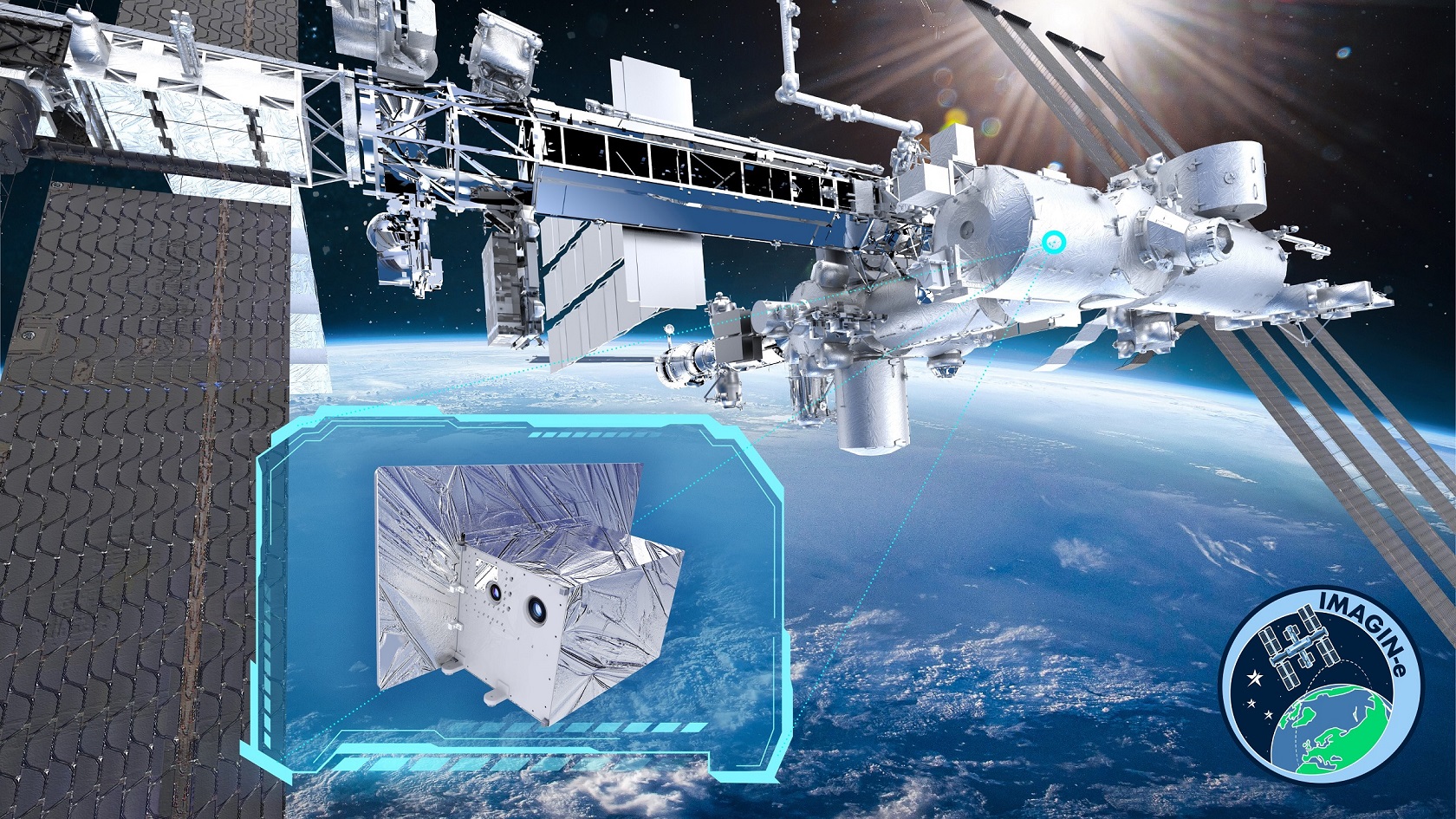
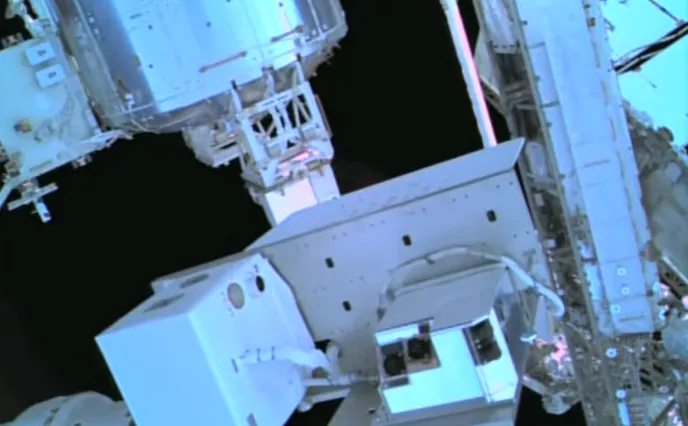
The IMAGIN-e payload has been operational for over 12 months aboard the International Space Station (ISS), providing an unmatched testbed for space engineers to deploy and test AI-based applications for remote sensing, data security, and autonomous in-orbit operations.
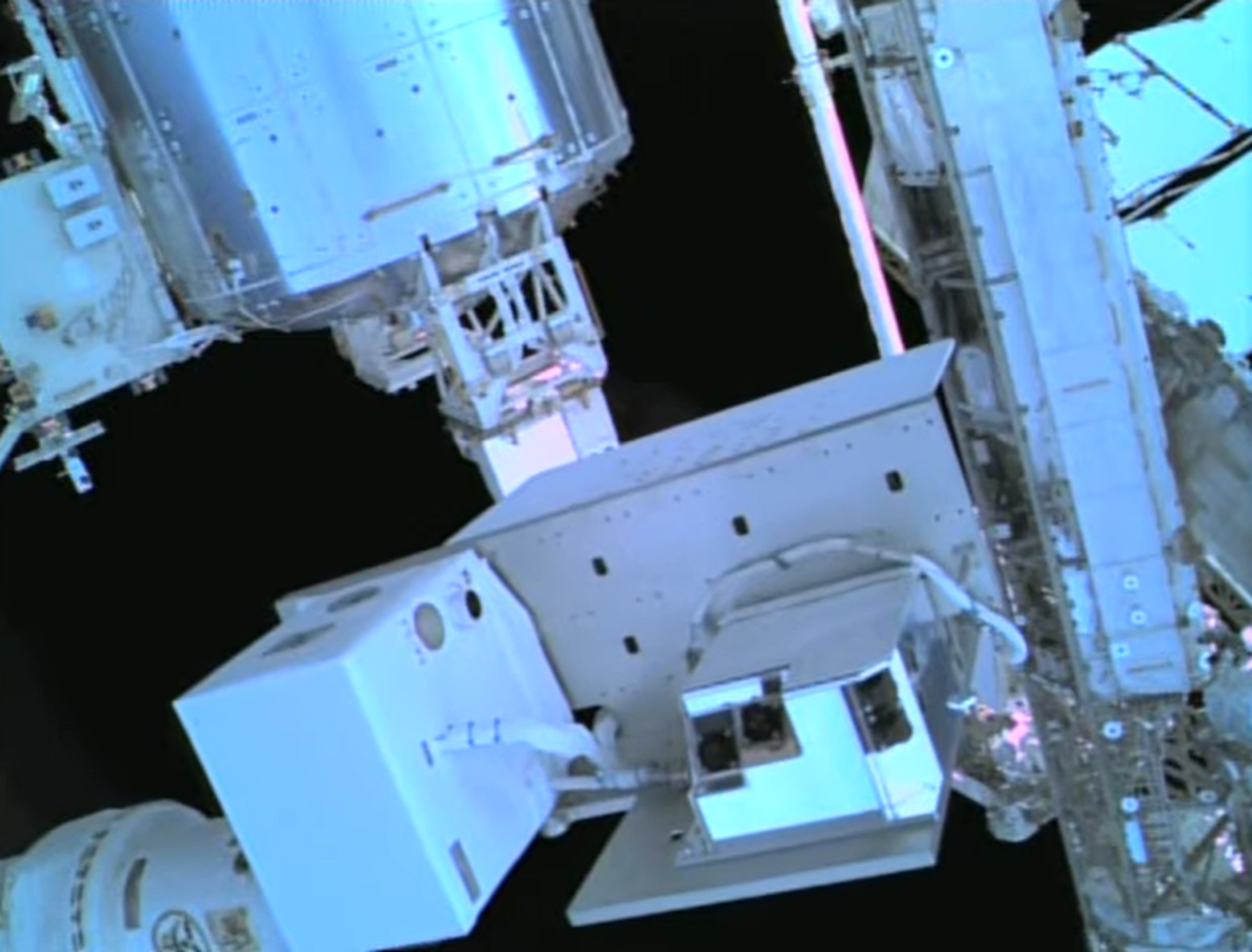
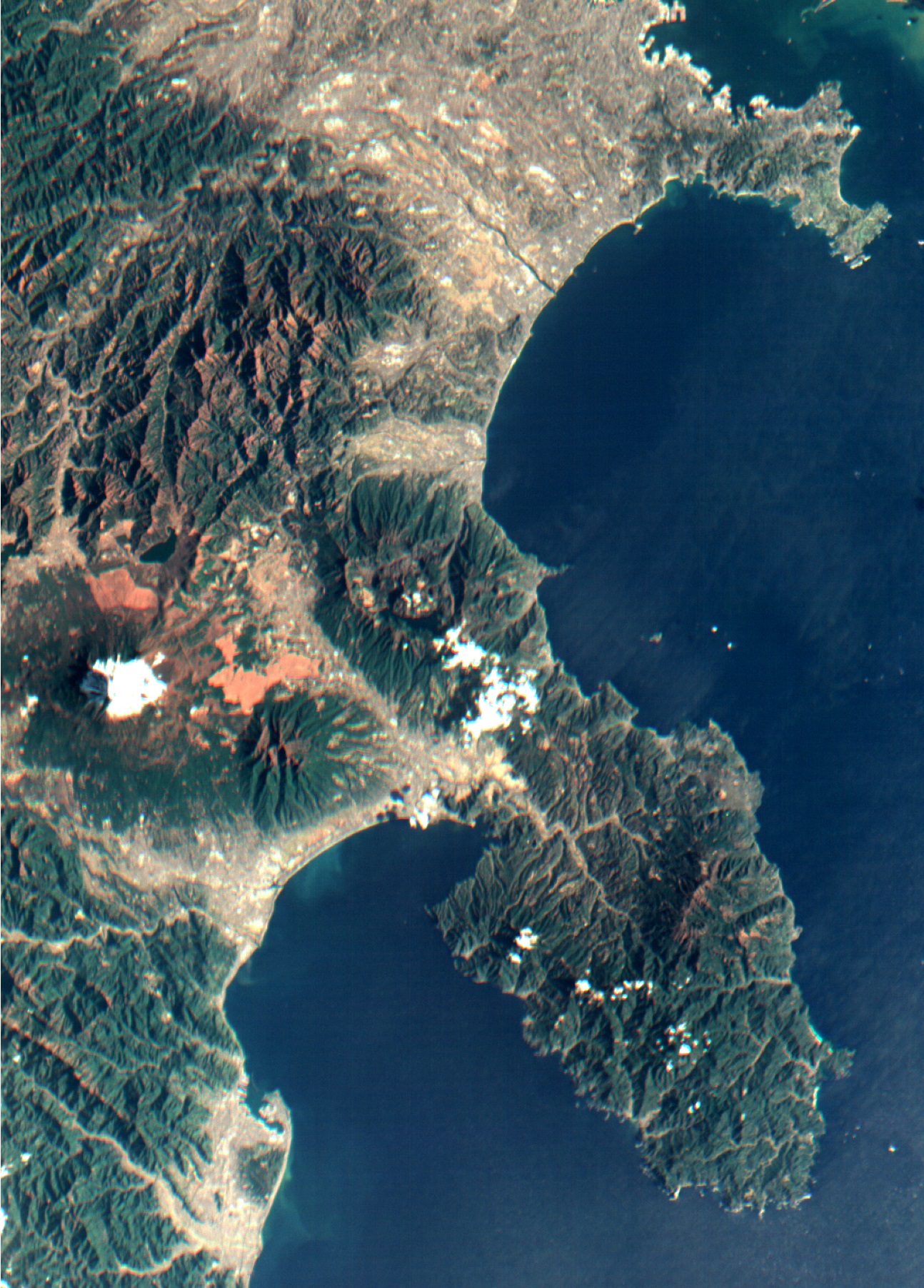
Launched in March 2024 onboard a Dragon spacecraft, the IMAGIN-e payload features a powerful Edge Computing platform combined with a suite of visible and hyperspectral Earth observation sensors. These sensors acquire imagery that is immediately processed in orbit by onboard AI models, delivering high‑level geospatial intelligence with very low latency.
IMAGIN-e provides an end-to-end development environment for space edge computing software to build and test applications in ground and then seamlessly deploy them on the demonstration payload hosted on the International Space Station (ISS). Different applications developed by Thales Alenia Space teams as well as external partners have been uploaded and tested in this unique real space environment, underpinning the potential of Space Edge Computing.
Experiments carried out as part of the IMAGIN‑e mission include:
- The deployment of the first blockchain network in space, combining AI‑based image processing with blockchain‑backed data certification.
- The first in‑orbit agentic AI system for autonomous payload thermal management.
- A novelty‑detection application for maritime and terrestrial environments.
- A geospatial foundation model supporting cloud, smoke, flood, and landslide detection, as well as land‑cover classification and biomass estimation.
The operational concept demonstrated in IMAGIN-e represents a key step in the evolution of spaceborne data processing capabilities. It enables fast, edge-level analytics in orbit, supporting a wide range of environmental and climate-monitoring applications.
Ismael López, CEO of Thales Alenia Space in Spain: “The capabilities demonstrated by the IMAGIN-e mission pave the way for a new paradigm in spaceborne environmental surveillance featuring AI-powered in-orbit autonomy and enabling quick response and fast decision making”