

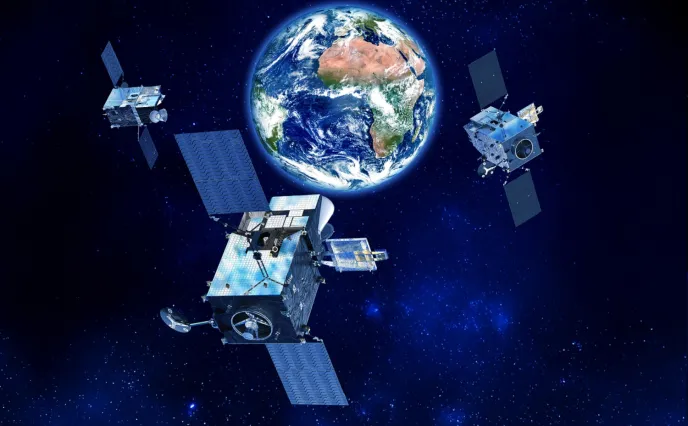
A European Constellation at the Forefront of Weather Forecasting
Kourou, August 27, 2026 – The MTG-I2 weather satellite, built by prime contractor Thales Alenia Space, the joint company between Thales (67%) and Leonardo (33%), was successfully launched today by Arianespace aboard an Ariane 62 launcher from Europe’s Spaceport in French Guiana.
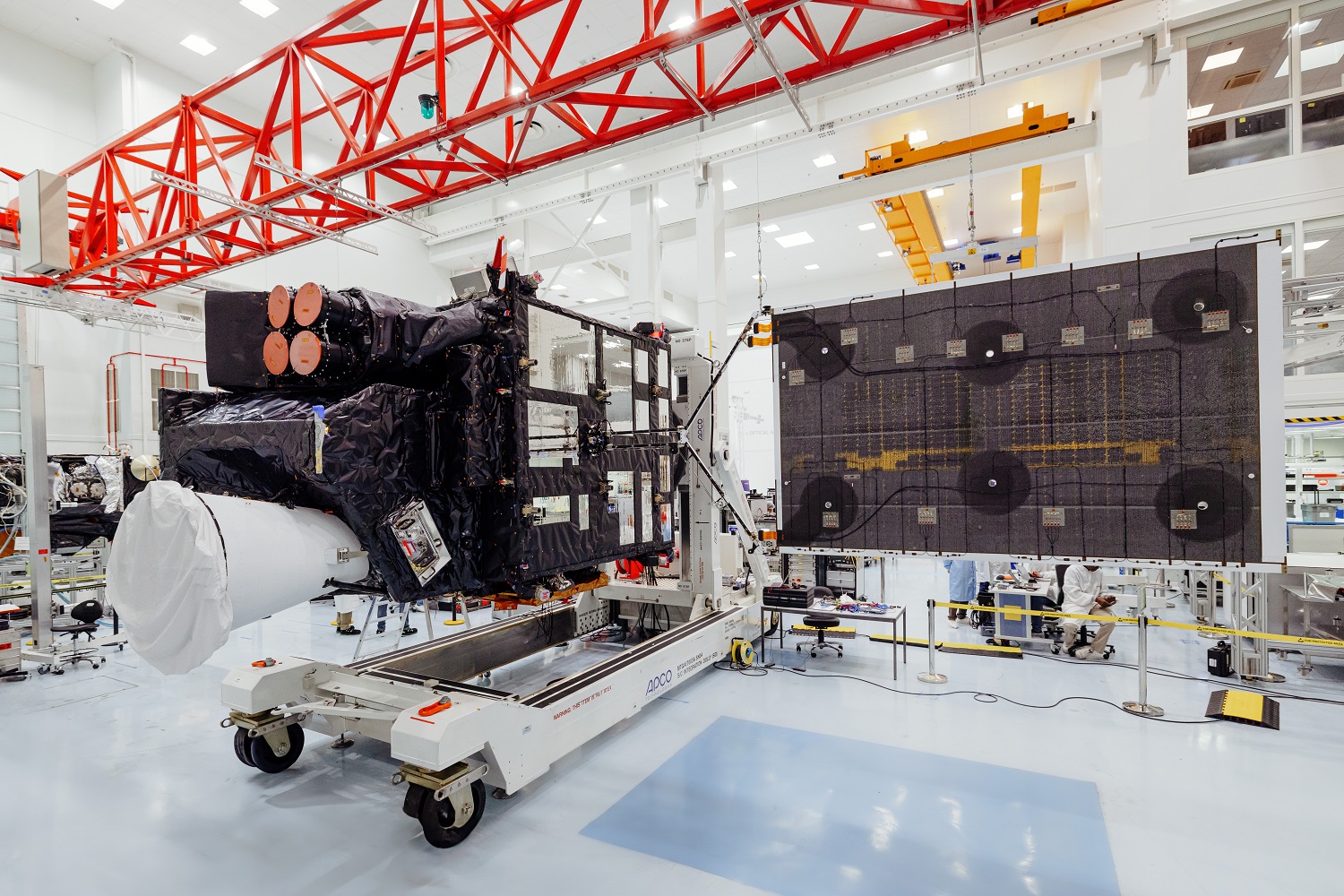
MTG-I2 is the second imaging satellite in the Meteosat Third Generation (MTG) program, designed to improve weather forecasting in Europe and Africa. The MTG program is a collaborative venture between the European Space Agency (ESA) and EUMETSAT* to ensure the continuity of high-resolution weather monitoring beyond 2040. Built by Thales Alenia Space in cooperation with OHB, the MTG satellites will operate in geostationary orbit, 36,000 km above the Earth, and have a nominal lifespan of 8.5 years.
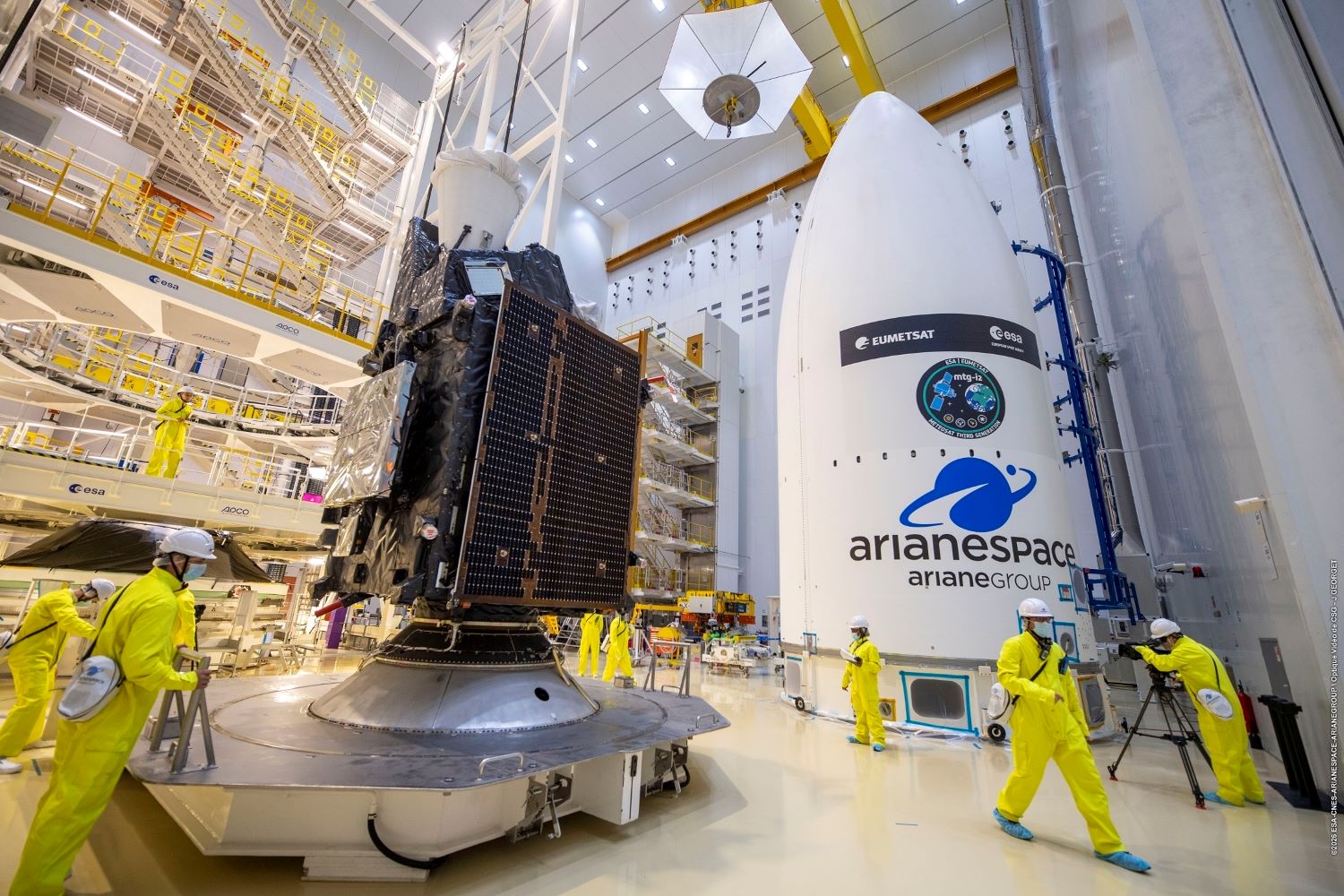
The MTG-I2 satellite will join the Meteosat-12 (MTG-I1) imaging satellite and the MTG-S1 atmospheric sounding satellite in orbit, launched in December 2022 and July 2025, respectively. MTG-I2 will operate in tandem with Meteosat-12. While Meteosat-12 provides images over Europe and Africa every 10 minutes, MTG-I2 will capture images over Europe every 2.5 minutes, thereby delivering weather imagery of unmatched accuracy at an unprecedented rate.
“I’m delighted with the successful launch of the third satellite in the Meteosat Third Generation fleet, which will contribute to improved immediate weather forecasts and unprecedented anticipation of extreme weather events.” said Hervé Derrey, Chief Executive Officer of Thales Alenia Space. “Once the MTG-I2 satellite is operational in orbit, Europe will benefit from the world’s most sophisticated meteorological services from a geostationary orbit.”
MTG-I2, like Meteosat-12, is equipped with a new-generation flexible combined imager (FCI), designed to improve the accuracy of weather forecasts from several minutes to several hours before events. It delivers a complete image of the Earth (in 16 wavebands) in only 10 minutes (versus 15 minutes for the previous generation) and includes a fast mode capable of providing images of Europe every 2.5 minutes. It has an improved spatial resolution of 500 meters to 1 km.
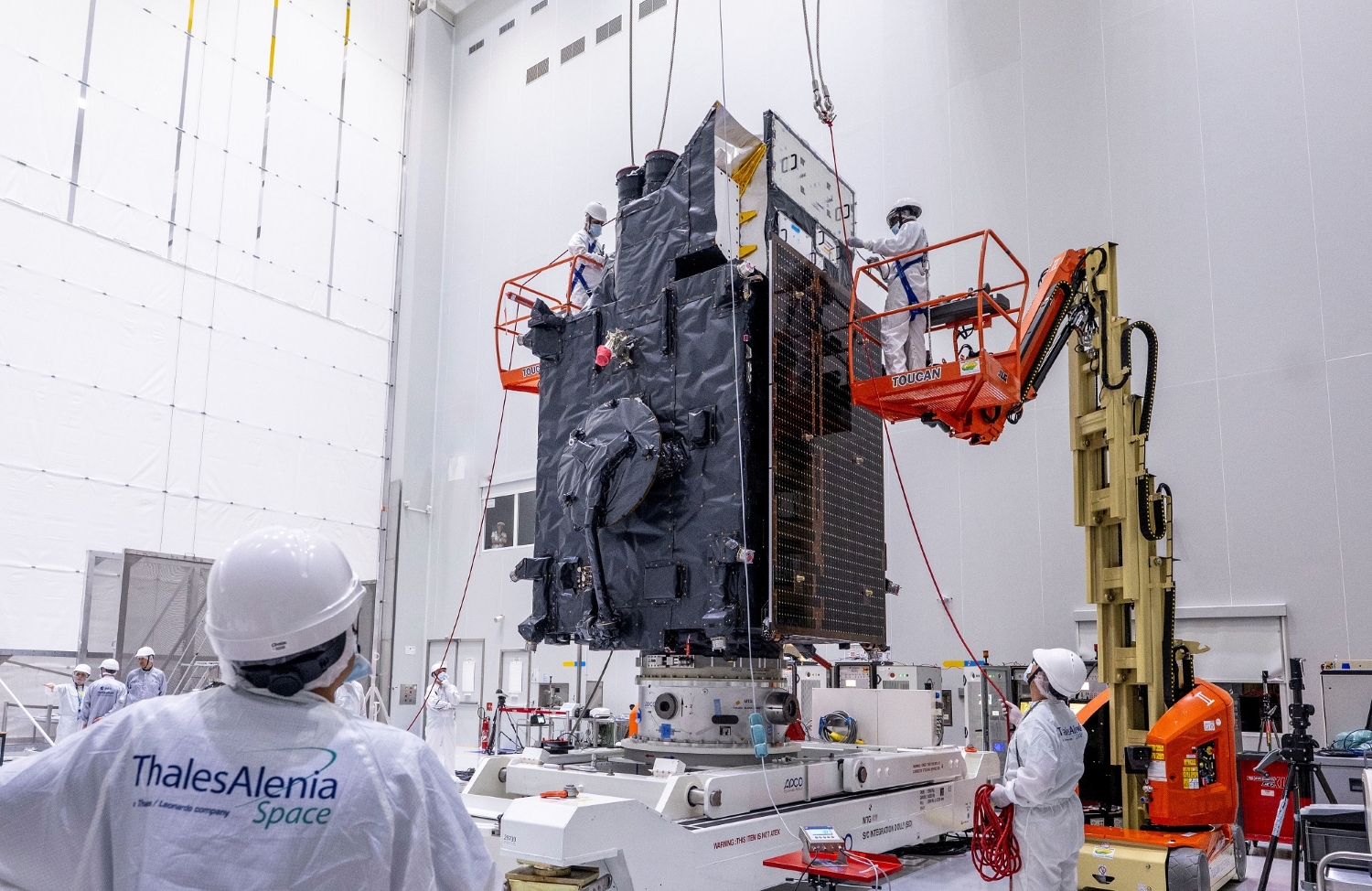
High-resolution imagery from the Meteosat-12 and MTG-I2 imaging satellites, combined with cutting-edge sounding data provided by MTG-S1, will take weather forecasting capabilities to the next level, particularly for the challenging task of nowcasting. These capabilities enable the near-real-time monitoring and forecasting of extreme weather phenomena, such as violent thunderstorms – a growing threat to populations exacerbated by climate change.
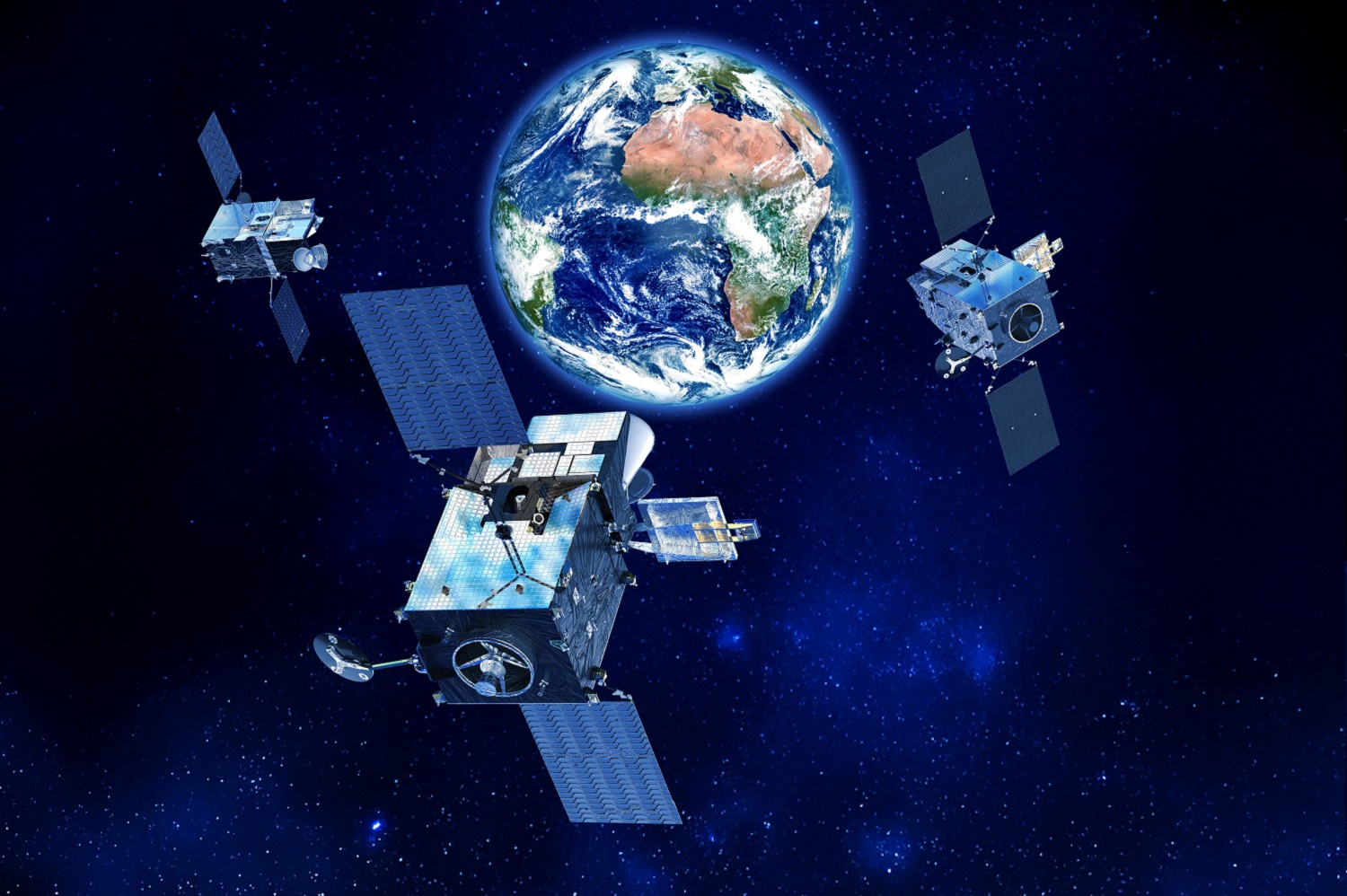
The Meteosat-12, MTG-I2, and MTG-S1 satellites form the first constellation of the Meteosat Third Generation system. At the end of their lifespans, they will be replaced by a constellation of three new satellites (two imagers and one sounder), scheduled for launch no earlier than 2033.
Half a century of geostationary weather satellites:
European meteorology has become increasingly accurate over the decades. With the first-generation Meteosat satellites, images were updated every 30 minutes, a figure reduced to 15 minutes on the second generation. MTG will further reduce this refresh rate to just 10 minutes in full disk mode and 2.5 minutes in fast mode for Europe, making weather forecasts even more reliable than ever.
Meteosat satellites have been the main source of meteorological data for Europe and Africa since 1977. From the early beginning, Thales Alenia Space has been prime contractor for 3 generations of Meteosat satellites on behalf of ESA. The company delivered into orbit seven Meteosat satellites, four second-generation Meteosat satellites (MSG) and now 3 third-generation Meteosat satellites. The company, which serves as the prime contractor for MTG satellites in partnership with OHB, is also involved in the development of the ground segment for EUMETSAT, by designing and building the first-level image data processing component, while Thales is implementing the second-level data processing for both image and sounder instruments, producing data distributed by EUMETSAT and exploited by the meteorological instances of each member state. Telespazio, a joint venture between Leonardo (67%) and Thales (33%), is also involved in the Meteosat Third Generation program, supplying EUMETSAT with launch and early orbit phase (LEOP) services for this MTG-I2 satellite, as well as for Meteosat-12 and MTG-S1 satellites, successfully launched in 2022 and 2025. Telespazio also provides the ground segment, both for data acquisition (MDAF) and for satellite command and control (TTCF).
ABOUT THALES ALENIA SPACE
Thales Alenia Space leverages a unique combination of skills, technological expertise, and industrial capabilities to deliver innovative solutions for telecommunications, navigation, Earth observation, defense, exploration, science, and orbital infrastructures— drawing on 50 years of proven experience. Institutions, governments, and private industry rely on Thales Alenia Space to design satellite-based systems that provide anytime, anywhere, connections and positioning, monitor our planet, enhance management of its resources, explore our Solar System, and unlock the mysteries of the Universe. Embodied by its Space for Life purpose, Thales Alenia Space sees space as a new horizon, helping build a better and more sustainable life on Earth, and beyond. A joint venture between Thales (67%) and Leonardo (33%), Thales Alenia Space also teams up with Telespazio to form the Space Alliance, which offers a complete range of solutions including services. Thales Alenia Space posted consolidated revenues of €2.36 billion in 2025 and has more than 8,000 employees in 7 countries with 14 sites in Europe. #spaceforlife. www.thalesaleniaspace.com
* EUMETSAT is the organization in charge of managing Europe’s weather satellites.